
Osmosis
OSMO Rank #738Price chart
What is Osmosis?
Exchange network
Osmosis runs its exchange functions on a dedicated blockchain. The platform supports liquidity pools and concentrated liquidity. IBC connects it with compatible blockchain networks. Smart contract applications can extend the exchange infrastructure. OSMO secures the chain through delegated proof of stake. Delegating tokens gives a validator economic backing and gives the holder a share of applicable rewards. Staked OSMO also determines governance voting power.
Monetary rules
The documented maximum allocation is one billion OSMO. New tokens are issued for staking and ecosystem rewards on a declining schedule. Each reduction multiplies the daily emission by two-thirds, a process known as thirdening. The current documented reduction period is roughly two years. Governance controls the allocation of emissions and can change relevant parameters. OSMO pays network fees, while approved alternative fee tokens are converted to OSMO before distribution. An EIP-1559-style fee market adjusts the minimum gas price to network conditions. Trading fees have a separate allocation mechanism that includes token purchases and burns. Those burns reduce the amount remaining in circulation.
Where to trade OSMO
22 exchanges · top 10
Live spot quotes from connected exchanges
OSMO funding rates
Live perpetual funding on every connected exchange. Positive = longs pay shorts.
Contracts & chains
Exact contract or mint per network — the identity layer used for DEX routing.
On-chain routes
Networks with a connected DEX routing adapter.
Osmosis news
All newsGuides
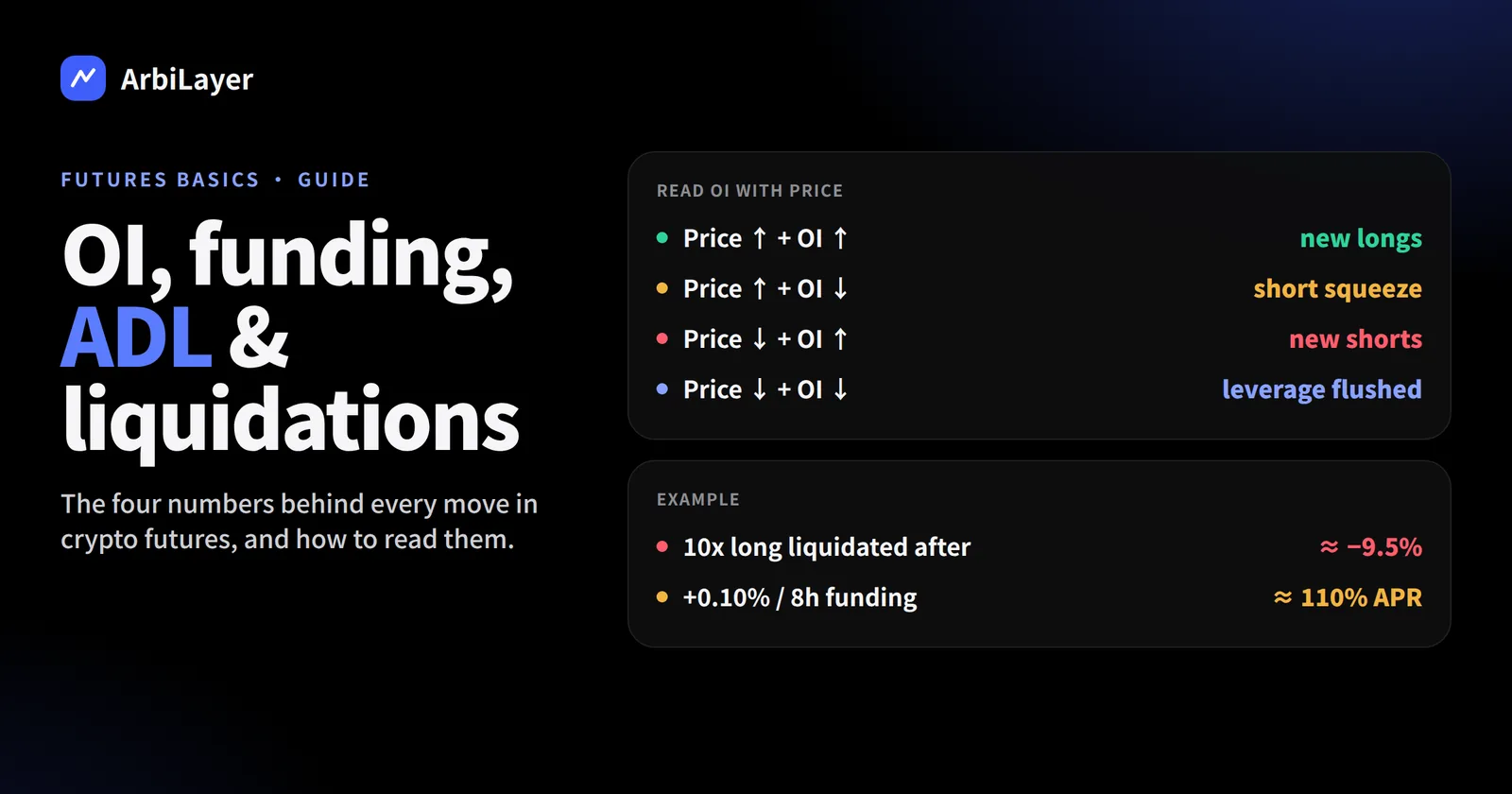 Open Interest, Funding Rates, ADL and Liquidations ExplainedWhat open interest tells you, how to read funding rates across exchanges, how liquidations and liquidation cascades work, and why auto-delev…
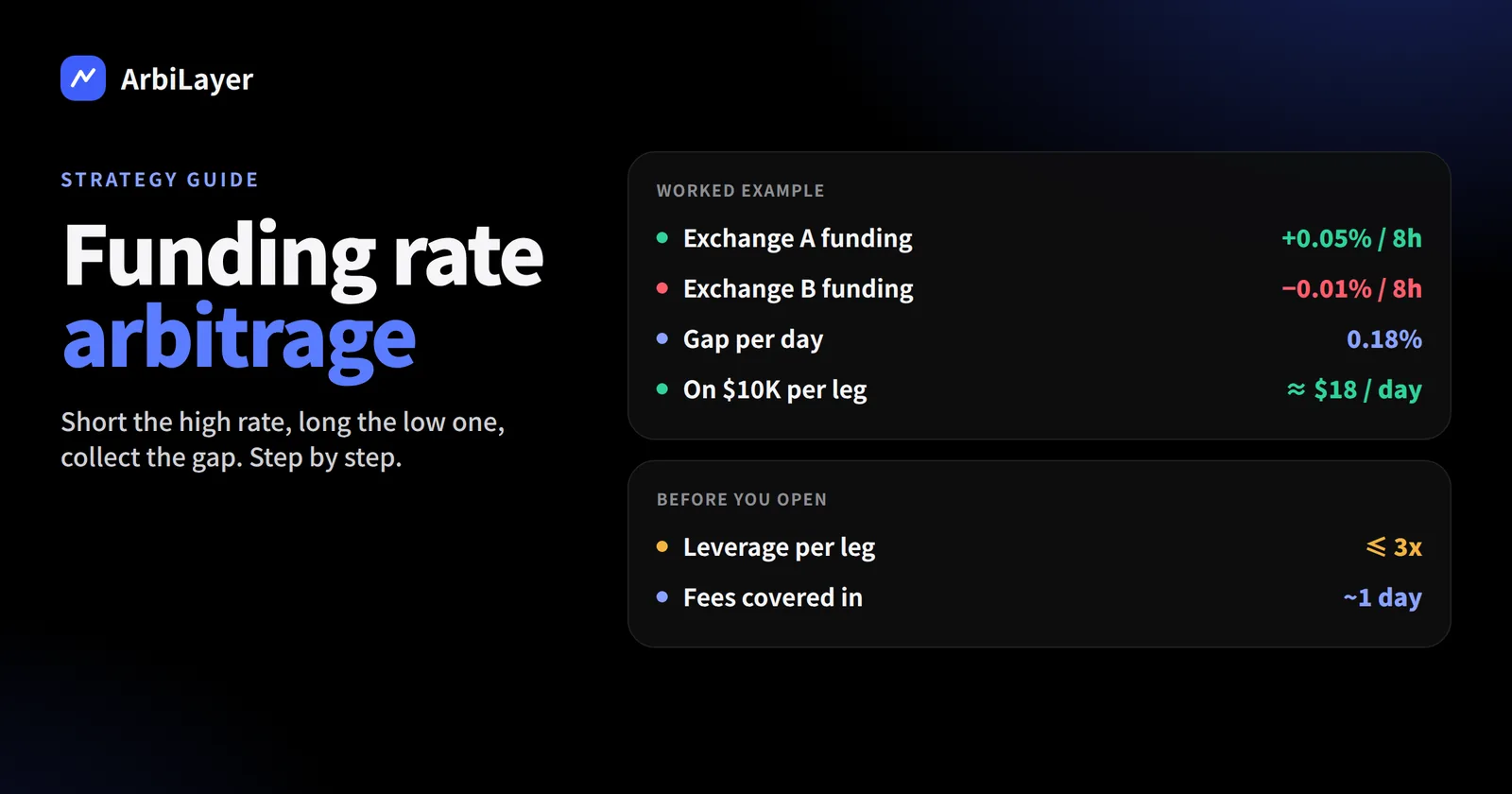 Funding Rate Arbitrage: A Step-by-Step GuideHow funding rate arbitrage works: short where funding is high, long where it is low, collect the gap. The maths, a worked example, how to fi…