
Re Protocol reUSD
REUSD Rank #116Price chart
What is Re Protocol reUSD?
Capital and token value
Re Protocol channels stablecoin capital into reinsurance programs operated through licensed counterparties. reUSD is its liquidity-oriented yield token. It is distinct from both reUSDe and the RE governance token. Accepted collateral includes conventional dollar stablecoins and eligible Ethena assets. Capital can remain onchain or be deployed into the protocol's offchain arrangements. Income includes reference-rate returns and a spread supported by reinsurance activity. Accrual is reflected in the token's reported net asset value rather than a permanently fixed one-dollar price.
Issuance and liquidity
Approved deposits create tokens representing the corresponding value at issuance. Redeeming a position reduces the outstanding supply. There is no fixed maximum independent of deposited capital. The protocol recalculates token value daily using its pricing mechanism. Instant redemption relies on available onchain liquidity. Requests can enter a queue when that capacity is exhausted. Direct participation requires identity checks and eligibility in permitted non-US jurisdictions. The token operates on Ethereum and additional supported blockchain networks.
Where to trade REUSD
5 exchanges · top 10
Live spot quotes from connected exchanges
REUSD funding rates
Live perpetual funding on every connected exchange. Positive = longs pay shorts.
Contracts & chains
Exact contract or mint per network — the identity layer used for DEX routing.
On-chain routes
Networks with a connected DEX routing adapter.
Re Protocol reUSD news
All newsGuides
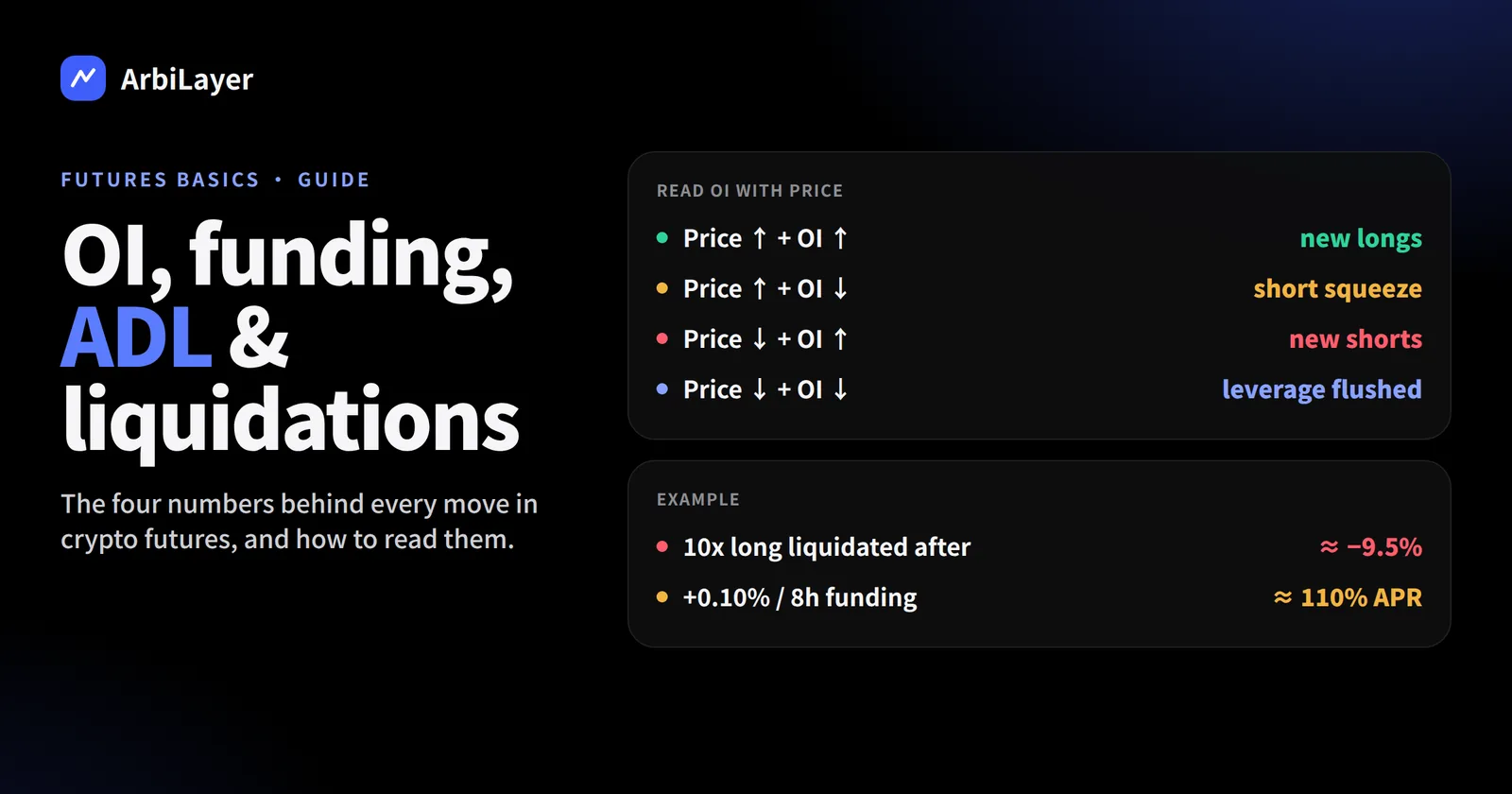 Open Interest, Funding Rates, ADL and Liquidations ExplainedWhat open interest tells you, how to read funding rates across exchanges, how liquidations and liquidation cascades work, and why auto-delev…
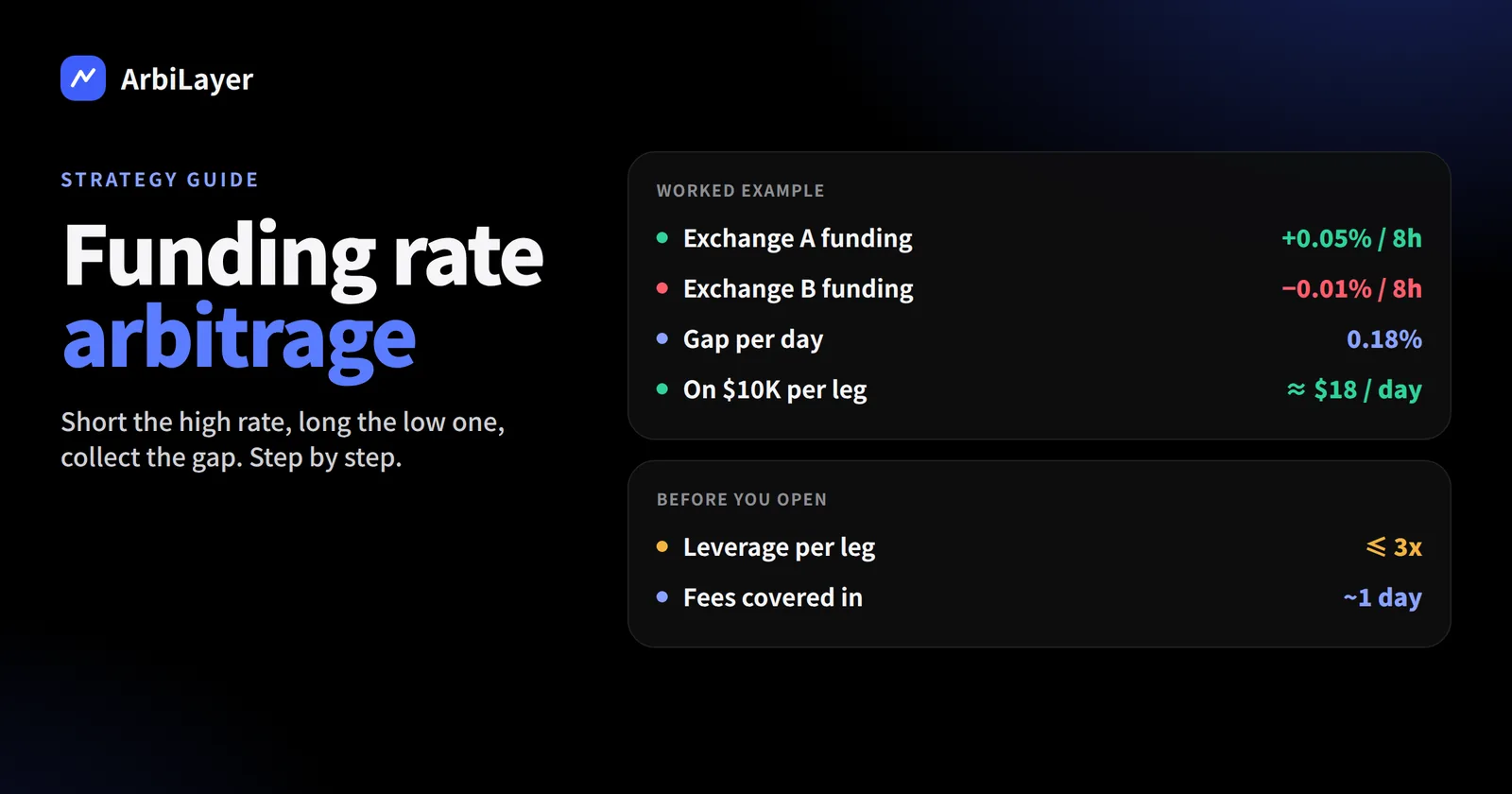 Funding Rate Arbitrage: A Step-by-Step GuideHow funding rate arbitrage works: short where funding is high, long where it is low, collect the gap. The maths, a worked example, how to fi…