Ardor
ARDR Rank #804Price chart
What is Ardor?
Parent and child chains
Ardor separates network security from application-level activity through a parent and child chain architecture. The parent chain handles consensus and secures the child chains. Child chains have their own transaction tokens and built-in application features. Ignis was the first child chain of the platform. The available features include asset issuance, voting, messaging and digital goods transactions. Child chains share a common codebase and can interact within the platform.
Consensus and fees
Ardor uses proof of stake, with block production called forging. ARDR balances provide the economic stake used in that process. Forgers receive transaction fees rather than newly created ARDR rewards. Bundlers collect child chain transactions and submit them to the parent chain. This lets application users pay in a child chain's currency while bundlers cover the parent chain fee. Application operators can also sponsor those costs. The design includes pruning of unnecessary child chain data to limit accumulated blockchain storage. ARDR was allocated through Nxt-related snapshots, and the platform does not create new ARDR through forging.
Where to trade ARDR
5 exchanges · top 10
Live spot quotes from connected exchanges
ARDR funding rates
Live perpetual funding on every connected exchange. Positive = longs pay shorts.
Contracts & chains
Exact contract or mint per network — the identity layer used for DEX routing.
On-chain routes
Networks with a connected DEX routing adapter.
Ardor news
All newsGuides
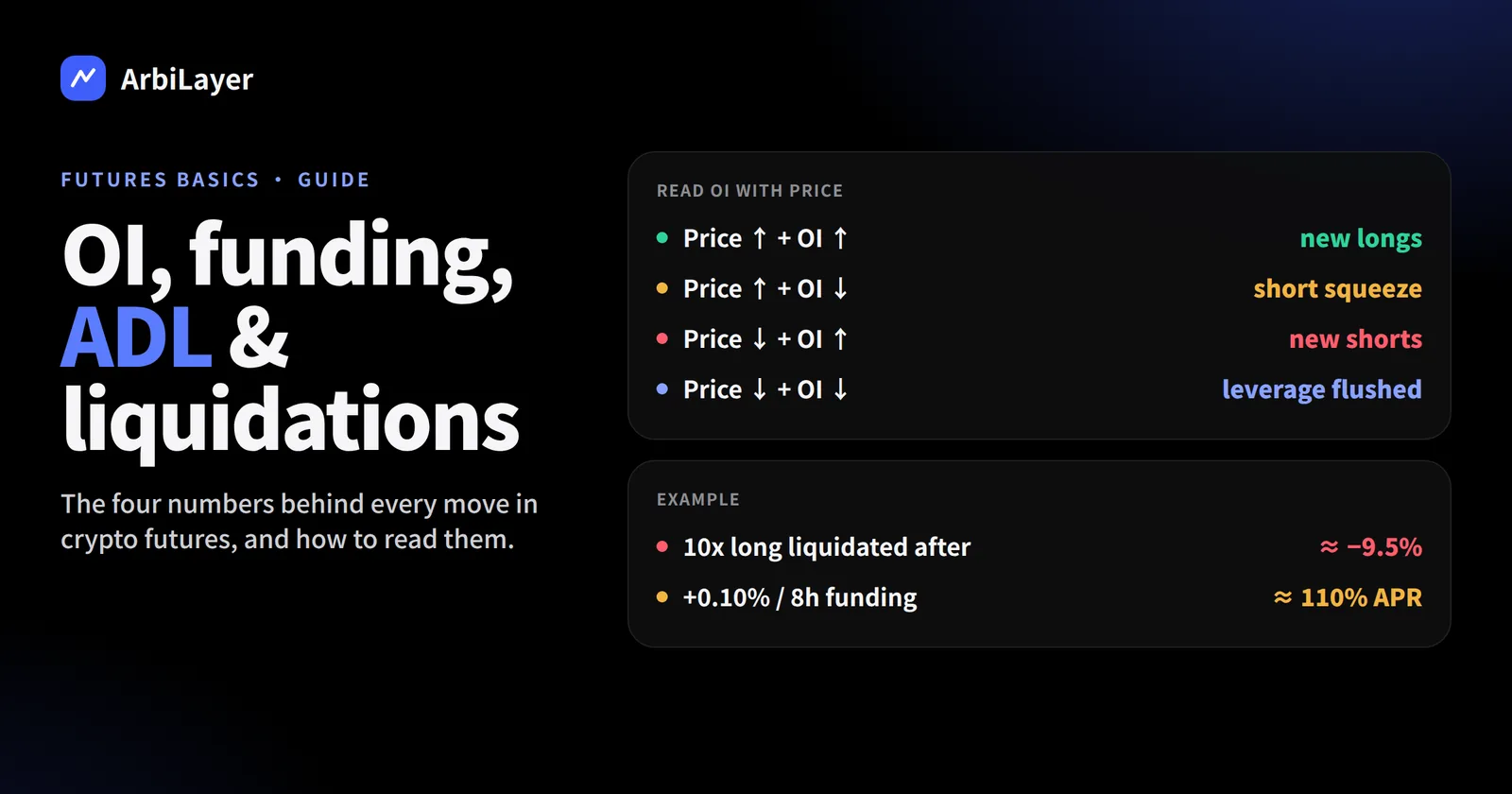 Open Interest, Funding Rates, ADL and Liquidations ExplainedWhat open interest tells you, how to read funding rates across exchanges, how liquidations and liquidation cascades work, and why auto-delev…
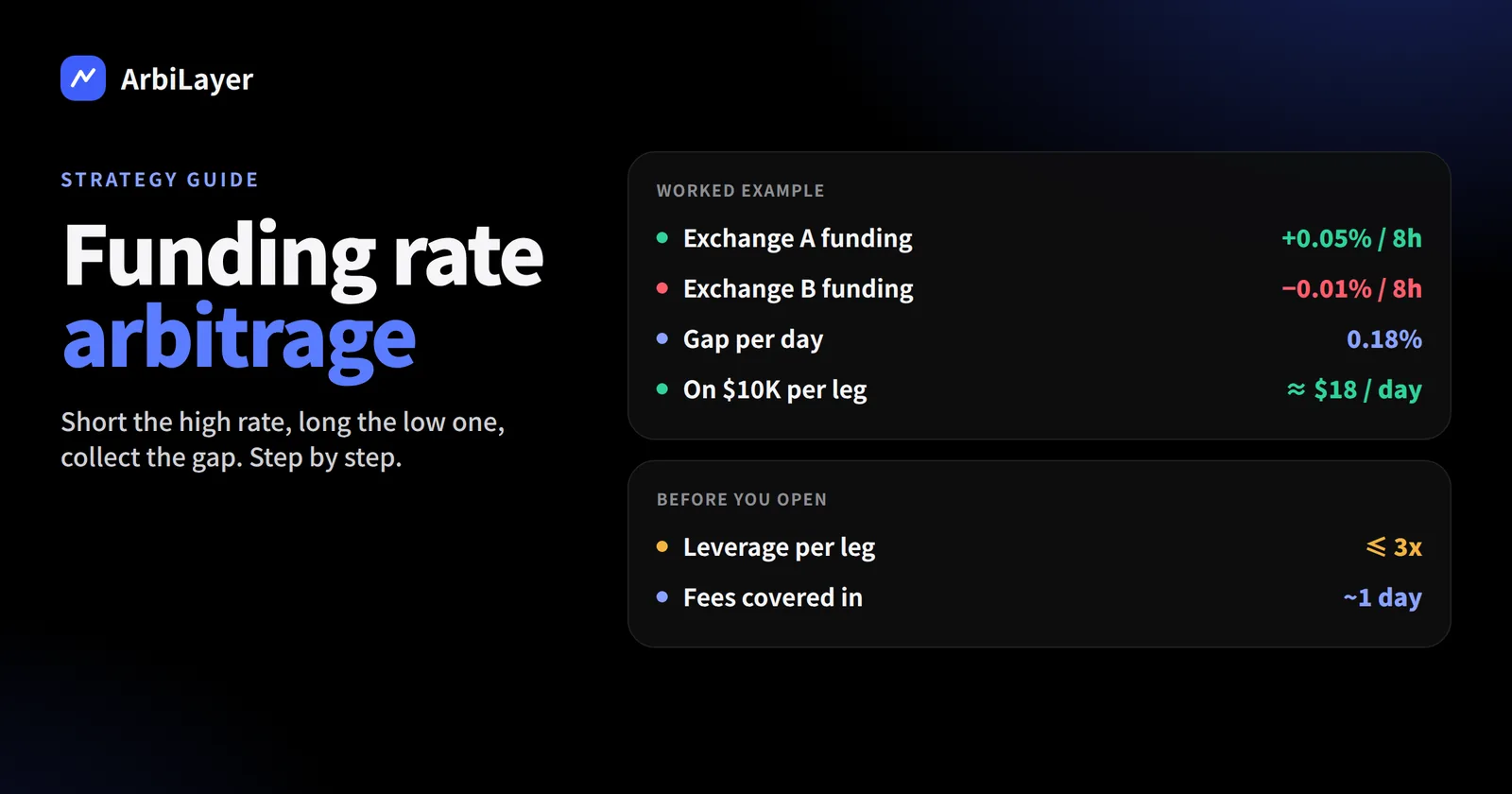 Funding Rate Arbitrage: A Step-by-Step GuideHow funding rate arbitrage works: short where funding is high, long where it is low, collect the gap. The maths, a worked example, how to fi…