
Flare
FLR Rank #106Price chart
What is Flare?
Network and data
Flare's genesis occurred on July 14, 2022. Its public token distribution began on January 9, 2023. The Flare Time Series Oracle supplies decentralized price and time-series feeds. The Flare Data Connector verifies supported information from other blockchains and external sources. Applications use these protocols alongside Ethereum-compatible smart contracts.
FLR uses
FLR pays for transaction execution on the network. All transaction fees are burned. Validators and delegators stake FLR to support proof-of-stake security. Holders can wrap FLR as WFLR and delegate voting weight to data providers. Wrapped or staked balances also provide voting power in network governance.
Issuance and revenue
Flare created 100 billion FLR at genesis. That original allocation is separate from continuing inflation-funded network incentives. FIP.16, accepted in April 2026, reduced annual inflation to 3% and capped yearly issuance at 3 billion FLR. It also established FIRE to collect network revenues and support supply reduction and ecosystem funding. The resulting net supply change depends on issuance, fee burning and the operation of these revenue mechanisms.
Where to trade FLR
33 exchanges · top 10
Live spot quotes from connected exchanges
FLR funding rates
Live perpetual funding on every connected exchange. Positive = longs pay shorts.
Contracts & chains
Exact contract or mint per network — the identity layer used for DEX routing.
On-chain routes
Networks with a connected DEX routing adapter.
Flare news
All newsGuides
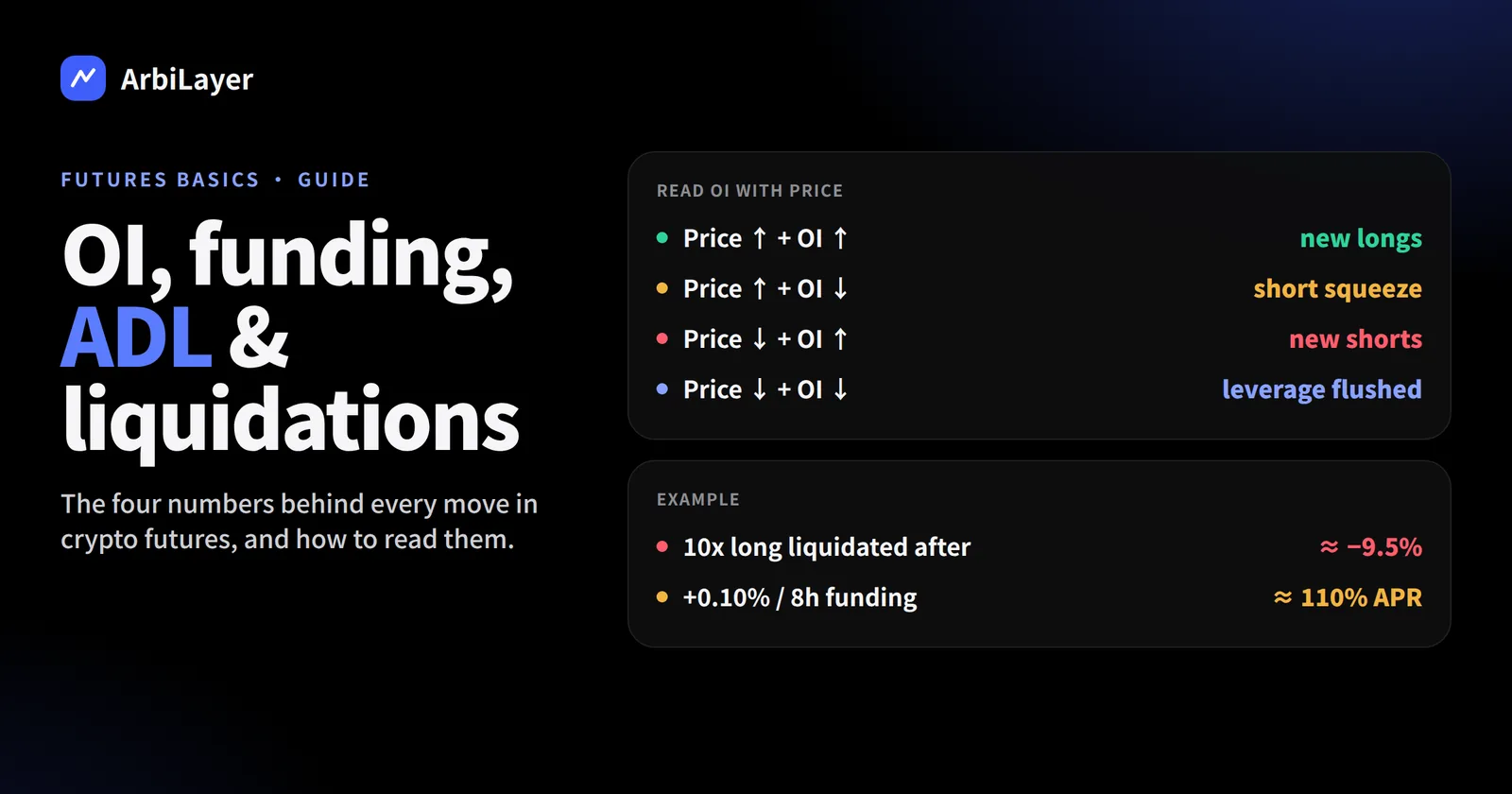 Open Interest, Funding Rates, ADL and Liquidations ExplainedWhat open interest tells you, how to read funding rates across exchanges, how liquidations and liquidation cascades work, and why auto-delev…
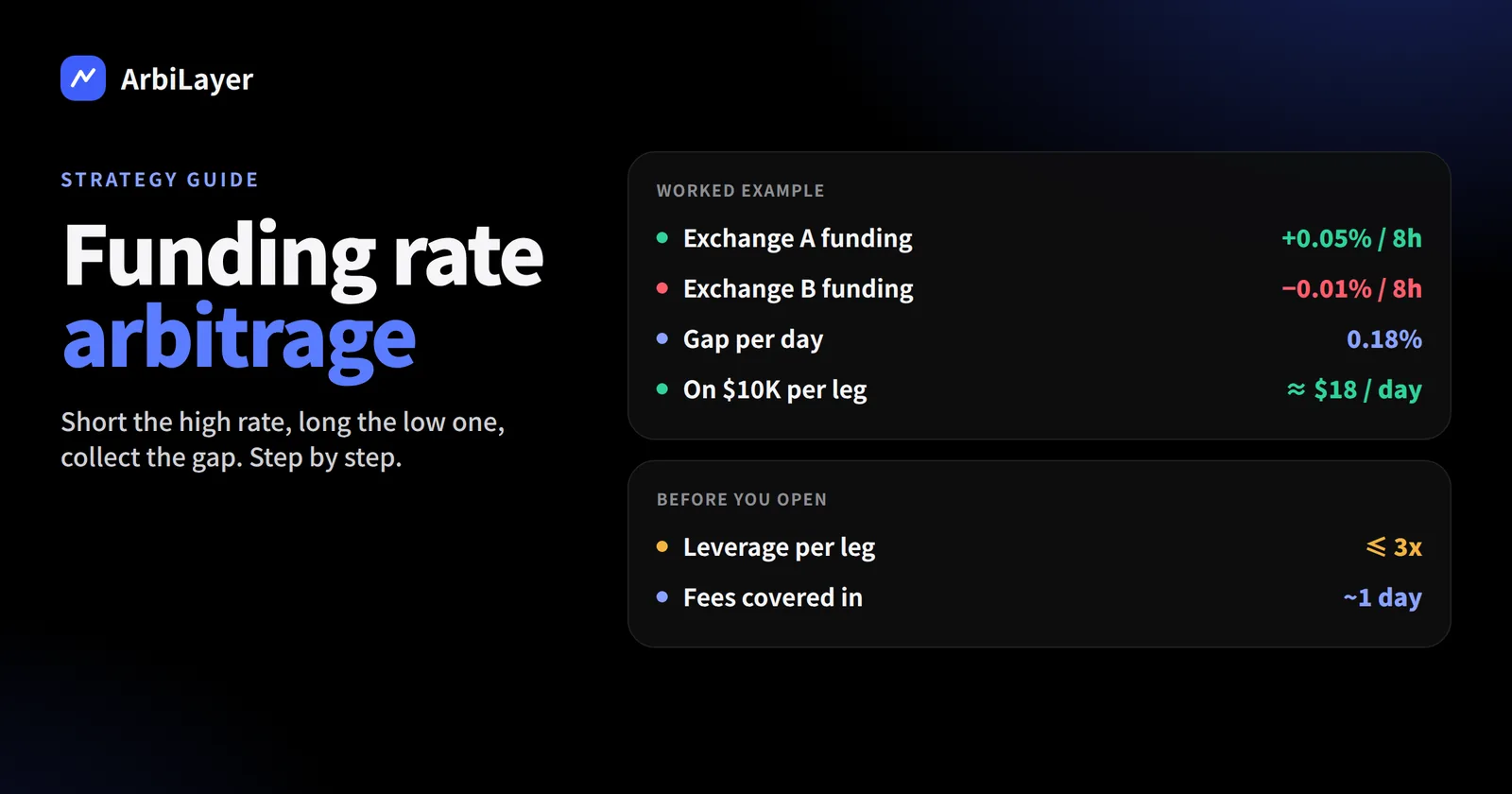 Funding Rate Arbitrage: A Step-by-Step GuideHow funding rate arbitrage works: short where funding is high, long where it is low, collect the gap. The maths, a worked example, how to fi…