
Rocket Pool
RPL Rank #613Price chart
What is Rocket Pool?
Ethereum staking
Users deposit ETH into Rocket Pool to obtain rETH. The receipt represents their proportional interest in pooled staked ETH and accrued rewards. Independent node operators run the underlying Ethereum validators. Saturn 1 introduced megapools that manage multiple validators within an operator's shared contract. Its initial validator configuration combines four ETH from the operator with 28 ETH from the pool.
RPL participation
RPL staking provides participation in protocol governance. Vote-eligible staked RPL receives a share of protocol ETH revenue under the Saturn 1 design. Governance determines the applicable revenue parameters. Mandatory RPL collateral was removed in the earlier Saturn 0 upgrade. Operators can therefore participate without maintaining the old minimum RPL bond.
Issuance and upgrades
RPL issuance continues to support protocol incentives. The proposed Saturn 2 package includes changes to inflation and validator operation. Its published development schedule targets a 2027 mainnet release. Those proposals do not represent features already deployed in Saturn 1. RPL's governance and incentive functions remain separate from rETH's claim on pooled ETH.
Where to trade RPL
53 exchanges · top 10
Live spot quotes from connected exchanges
RPL funding rates
Live perpetual funding on every connected exchange. Positive = longs pay shorts.
Contracts & chains
Exact contract or mint per network — the identity layer used for DEX routing.
On-chain routes
Networks with a connected DEX routing adapter.
Rocket Pool news
All newsGuides
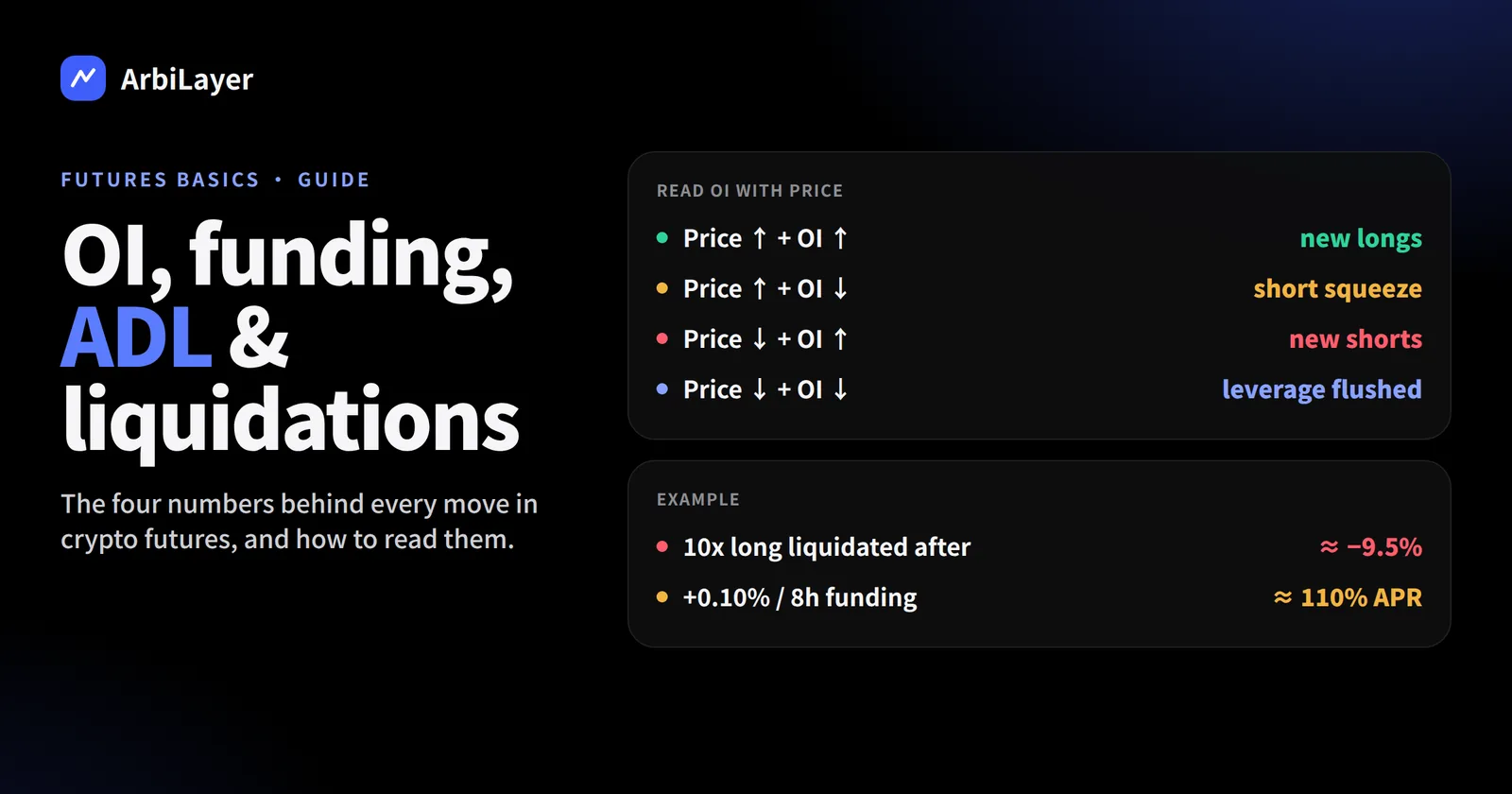 Open Interest, Funding Rates, ADL and Liquidations ExplainedWhat open interest tells you, how to read funding rates across exchanges, how liquidations and liquidation cascades work, and why auto-delev…
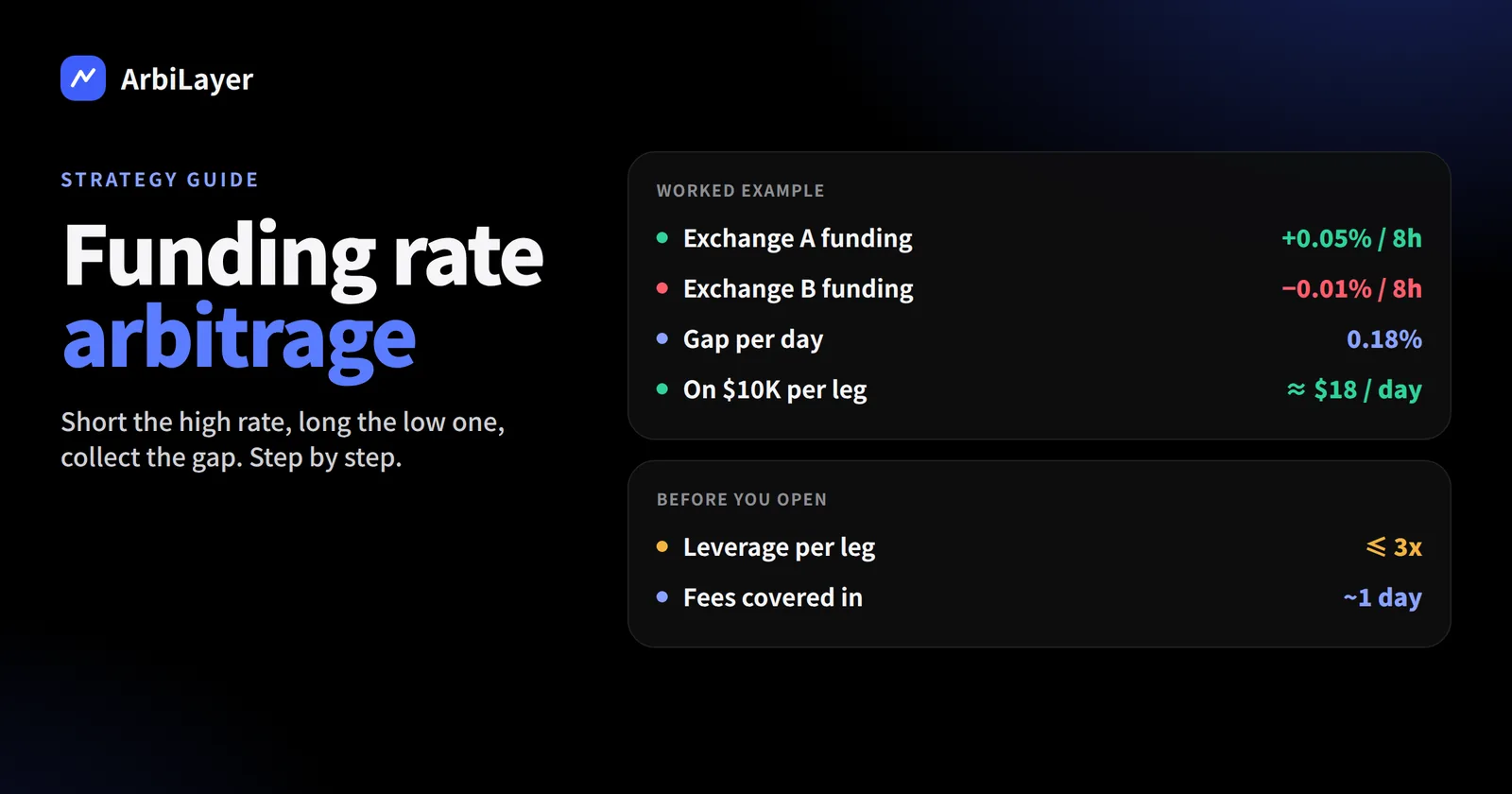 Funding Rate Arbitrage: A Step-by-Step GuideHow funding rate arbitrage works: short where funding is high, long where it is low, collect the gap. The maths, a worked example, how to fi…