SI arbitrage explained
Right now Super Inu (SI) trades on 3 venues we scan: 2 perpetual markets, 2 spot markets and 0 DEX pools. The lowest ask is on Aster perp at $0.00665 and the highest bid on MEXC perp at $0.0068.
The widest SI perpetual spread is between Aster and MEXC: long SI on Aster at $0.00665 and short on MEXC at $0.0068 for +2.26% gross, or +2.10% after the 0.16% two-leg fee model. No transfer is needed: both positions stay on their exchanges until the prices converge. The funding difference on this pair is +0.052% per day, which the position collects while it is open.
For a spot–perpetual (cash-and-carry) trade, the best SI route is to buy spot on MEXC and short the perpetual on MEXC: +1.34% gross, +1.14% net, with +0.082% a day of funding on the short leg.
Spot–spot SI arbitrage (buy on MEXC, withdraw, deposit and sell on Gate) shows +0.15% gross right now. It only works if withdrawals on the buying exchange and deposits on the selling exchange are open, so check the D/W dots before moving coins.
Small SI gaps usually disappear after fees, slippage and funding. Look at the Net column, the executable Depth and the spread history before trading: a gap that has been open for days is a different trade from a one-minute spike.
Related: SI funding rates · SI spread charts · Super Inu price · arbitrage scanner for all coins.
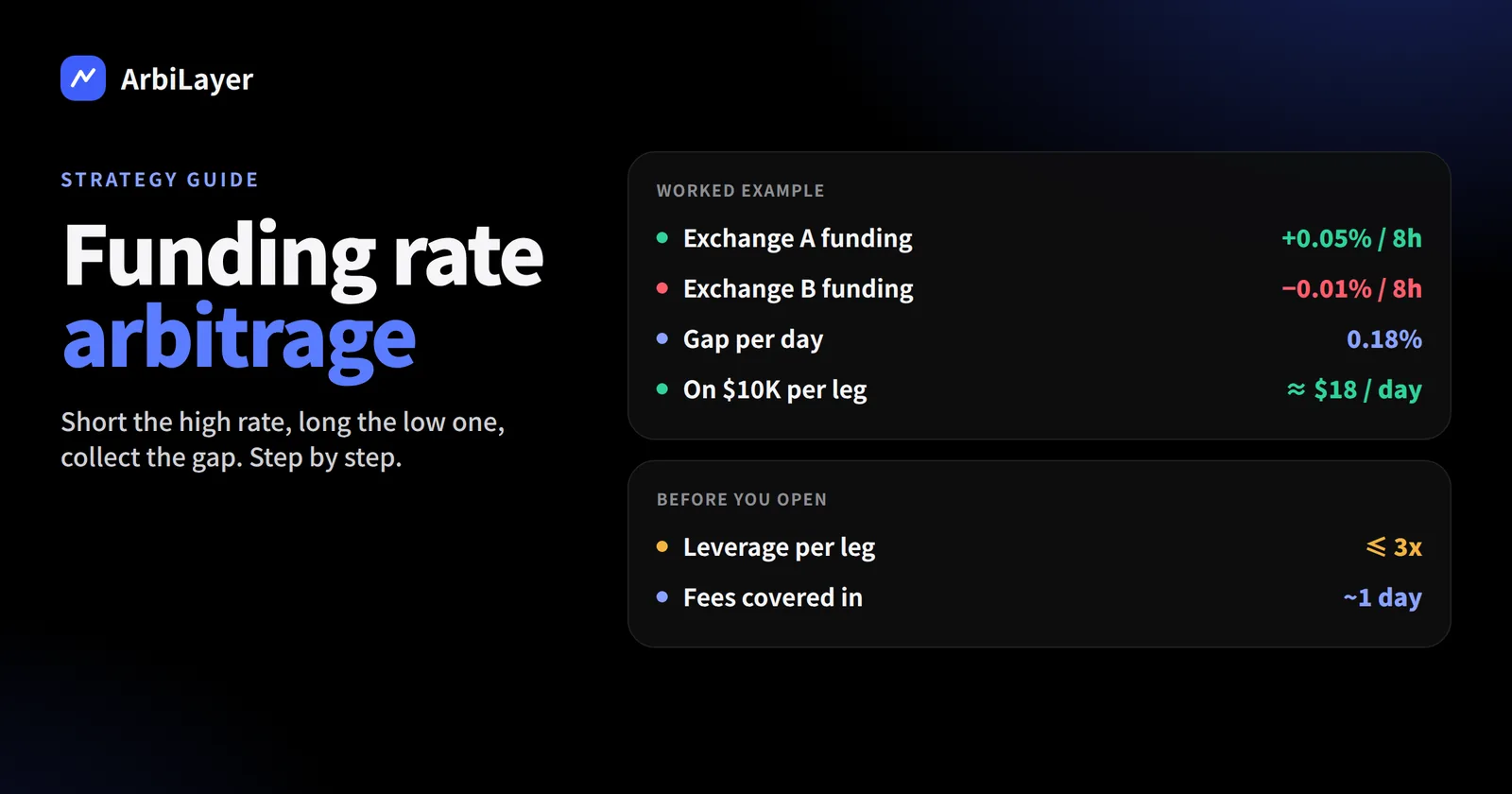 Funding Rate Arbitrage: A Step-by-Step GuideHow funding rate arbitrage works: short where funding is high, long where it is low, collect the gap. The maths, a worked example, how to fi…
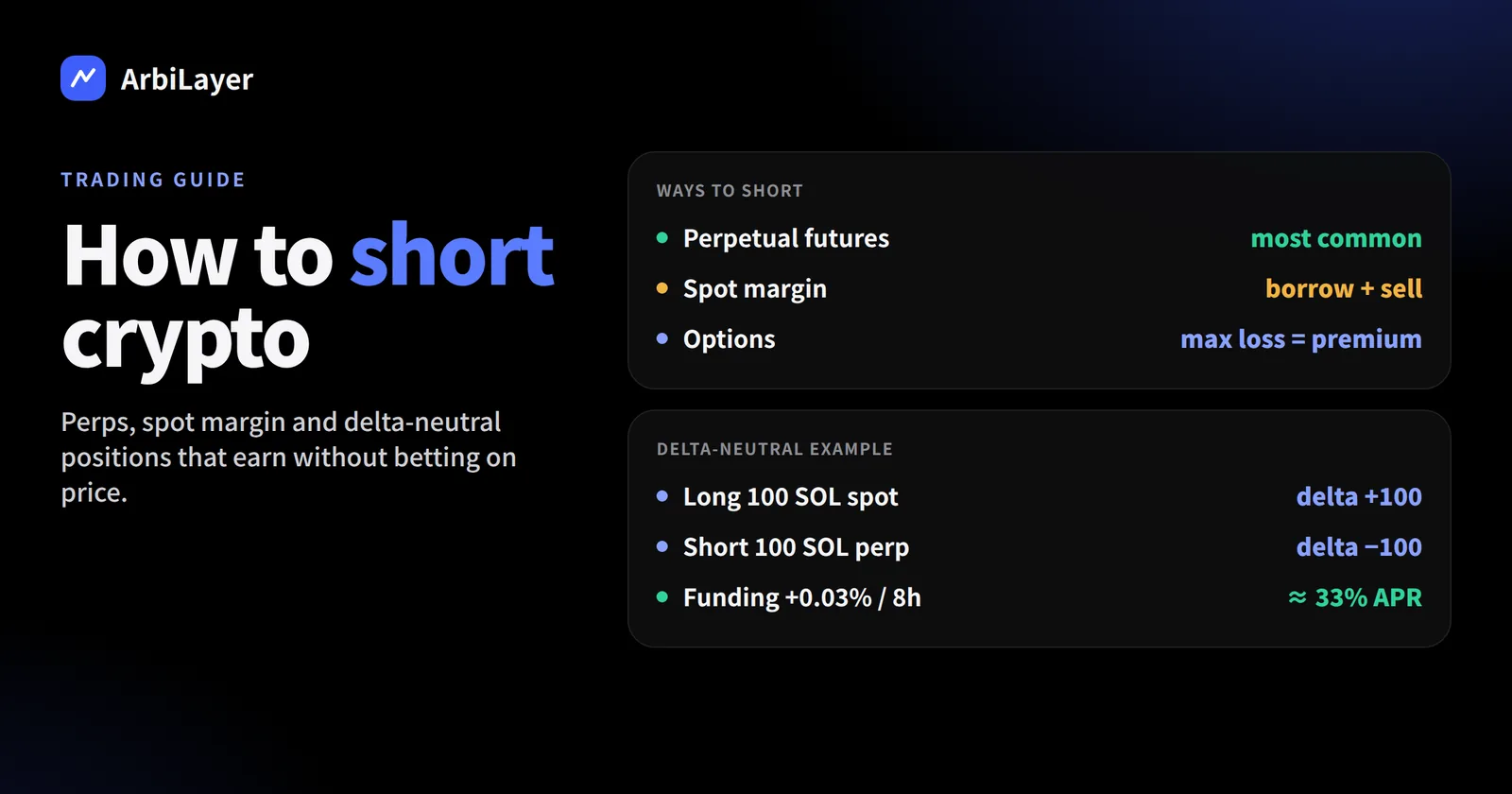 How to Short Crypto on Spot and Futures, and What Delta-Neutral MeansStep-by-step: shorting a coin with perpetual futures or spot margin, the costs (fees, funding, borrow interest), liquidation risk, and how d…
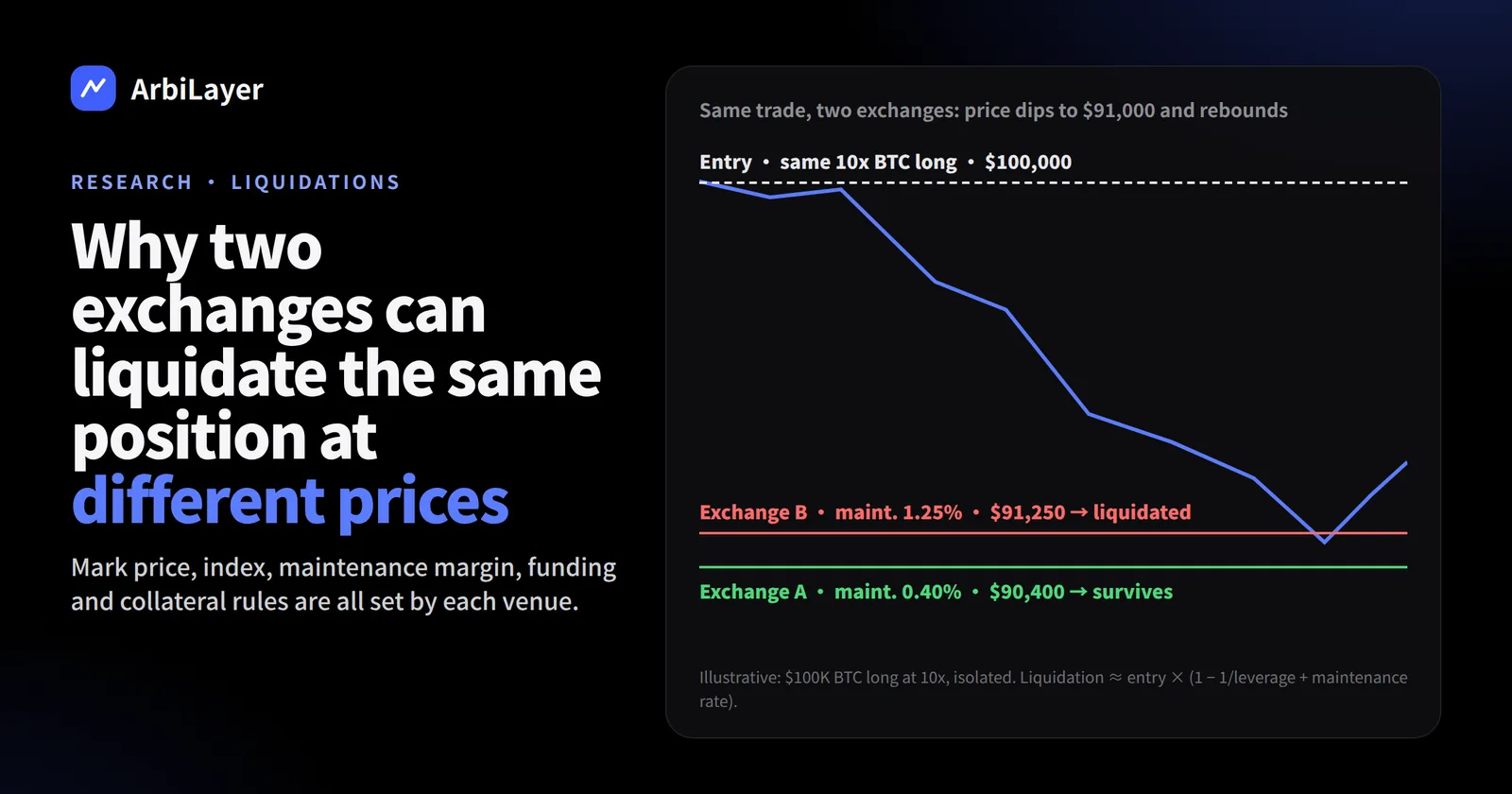 Why Two Exchanges Can Liquidate the Same Position at Different PricesMark price formulas, index constituents, maintenance margin tiers, funding and collateral rules are all set by each exchange — so the same l…