
Cap USD
CUSD Rank #373Price chart
What is Cap USD?
Issuance and reserves
Cap Labs operates the protocol on Ethereum. Its vault issues cUSD when users deposit supported backing assets. Minting and burning use oracle valuations and apply allocation-dependent fees. Supply expands with deposits and contracts when tokens are burned. Reserve eligibility is limited to approved dollar-denominated assets.
Credit architecture
Reserve liquidity supports loans within Cap's credit system. The current platform uses financial guarantees backed by underwriter capital held in escrow. Underwriters select credit opportunities and put their own capital behind repayment obligations. Cap's 2026 expansion added gold-backed guarantees through Matrixport. These guarantees support lending activity; they do not turn cUSD into a gold-redeemable token.
Redemption and yield
Users can burn cUSD against a selected reserve asset or redeem a proportional basket under the vault rules. Fees depend on the chosen route and reserve composition. Stale oracle prices can disable mint and burn operations. stcUSD is the separate savings instrument used to receive protocol yield. Its returns come from lending and reserve strategies and vary with those activities. cUSD is distinct from Cap's CAP protocol token.
Where to trade CUSD
1 exchanges · top 10
Live spot quotes from connected exchanges
CUSD funding rates
Live perpetual funding on every connected exchange. Positive = longs pay shorts.
Contracts & chains
Exact contract or mint per network — the identity layer used for DEX routing.
On-chain routes
Networks with a connected DEX routing adapter.
Cap USD news
All newsGuides
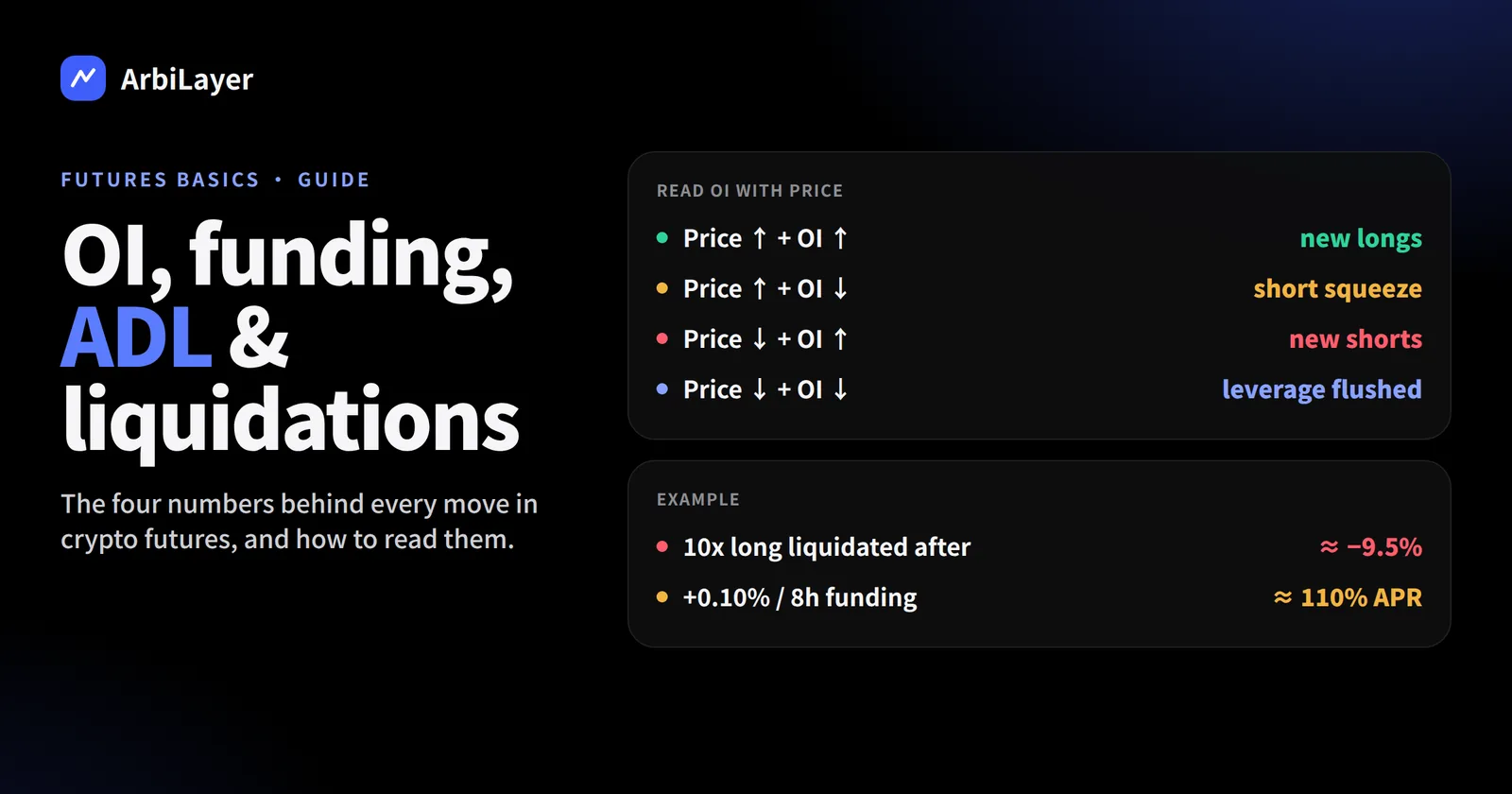 Open Interest, Funding Rates, ADL and Liquidations ExplainedWhat open interest tells you, how to read funding rates across exchanges, how liquidations and liquidation cascades work, and why auto-delev…
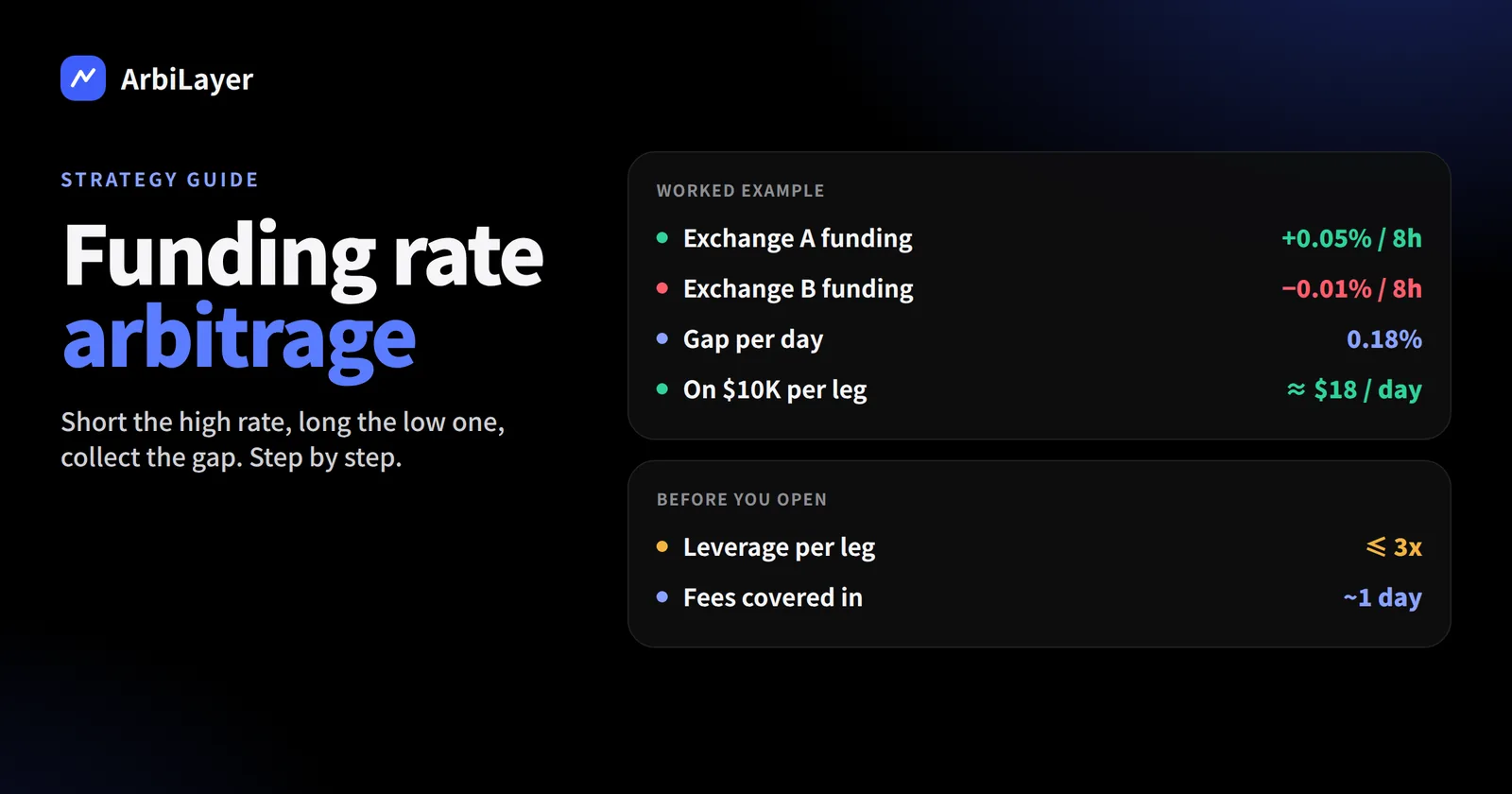 Funding Rate Arbitrage: A Step-by-Step GuideHow funding rate arbitrage works: short where funding is high, long where it is low, collect the gap. The maths, a worked example, how to fi…