
Casper Network
CSPR Rank #585Price chart
What is Casper Network?
Network and execution
Casper uses validators selected through a stake-based auction system. Holders can delegate CSPR to participating validators. The Casper 2.0 upgrade went live in May 2025. It replaced the earlier Highway consensus system with Zug. Zug provides Byzantine fault-tolerant consensus and deterministic block finality.
Applications and permissions
Casper's execution environment supports WebAssembly-based smart contracts. Application contracts can be upgraded through their defined authorization rules. Accounts support multiple associated keys and configurable authorization thresholds. These controls allow developers to manage contract changes and shared account access. Casper 2.0 also revised the underlying account and contract model. CSPR pays transaction and execution costs on the network. Its genesis allocation totaled ten billion tokens. Validator rewards introduce additional tokens through protocol issuance. The 2.1 upgrade introduced transaction-fee burning. Casper subsequently revised its tokenomics again in the March 2026 release of version 2.2.
Where to trade CSPR
17 exchanges · top 10
Live spot quotes from connected exchanges
CSPR funding rates
Live perpetual funding on every connected exchange. Positive = longs pay shorts.
Contracts & chains
Exact contract or mint per network — the identity layer used for DEX routing.
On-chain routes
Networks with a connected DEX routing adapter.
Casper Network news
All newsGuides
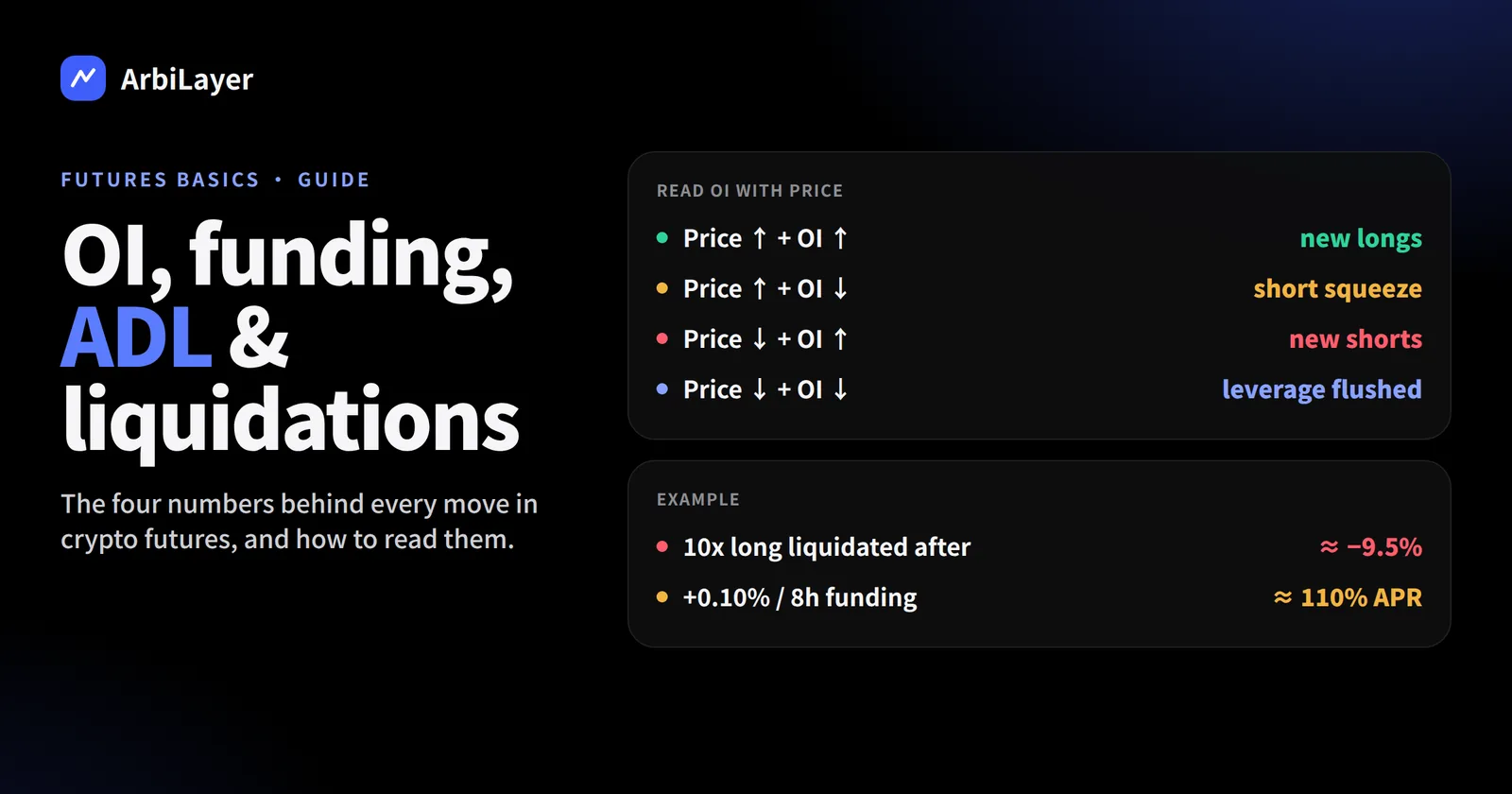 Open Interest, Funding Rates, ADL and Liquidations ExplainedWhat open interest tells you, how to read funding rates across exchanges, how liquidations and liquidation cascades work, and why auto-delev…
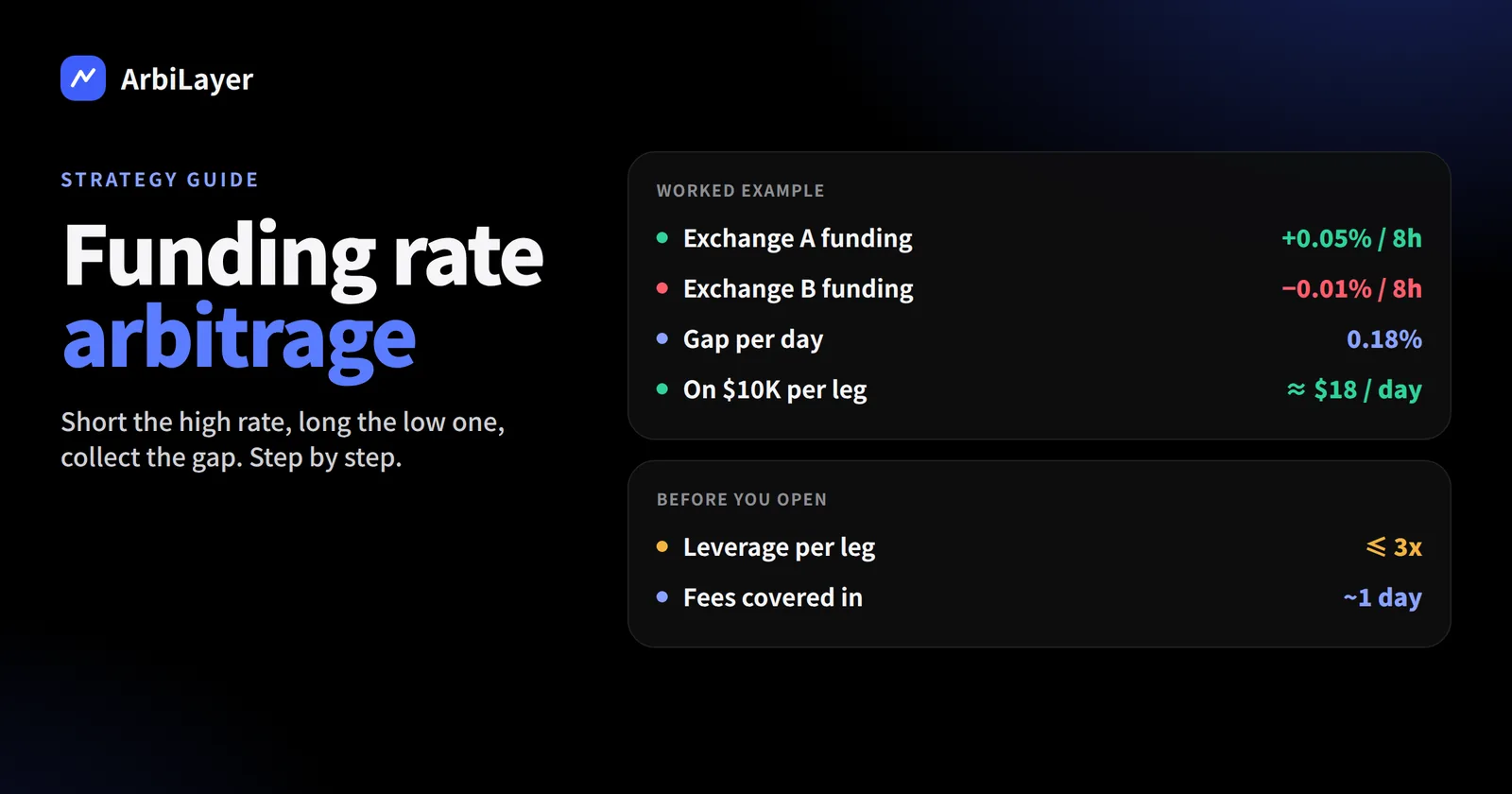 Funding Rate Arbitrage: A Step-by-Step GuideHow funding rate arbitrage works: short where funding is high, long where it is low, collect the gap. The maths, a worked example, how to fi…