
RE
RE Rank #492Price chart
What is RE?
Launch and issuance
Resilience Foundation introduced RE through a token generation event on June 18, 2026. The ERC-20 token has a fixed supply of one billion. Half is allocated to ecosystem participation and development. Core contributors receive 20%, investors 17% and the development reserve 13%. Investor and contributor allocations have a one-year cliff followed by three years of linear vesting.
Participation
RE uses stake-to-vote governance. Verified participants can vote or delegate their voting power. Launch functions include protocol upgrades, technical permissions and committee formation. Incentive budgets support staking participation and ecosystem work. Participation rewards follow approved activities rather than a passive revenue-share entitlement.
Protocol boundaries
Re's capital products finance insurance risk through collateralized arrangements. RE is distinct from reUSD and reUSDe, which represent separate capital positions. Token governance does not handle insurance pricing, claims or regulated underwriting. Broader control over participant admissions is a later governance phase. Common resilience-capital frameworks are also scheduled to expand after launch.
Where to trade RE
49 exchanges · top 10
Live spot quotes from connected exchanges
RE funding rates
Live perpetual funding on every connected exchange. Positive = longs pay shorts.
Contracts & chains
Exact contract or mint per network — the identity layer used for DEX routing.
On-chain routes
Networks with a connected DEX routing adapter.
RE news
All newsGuides
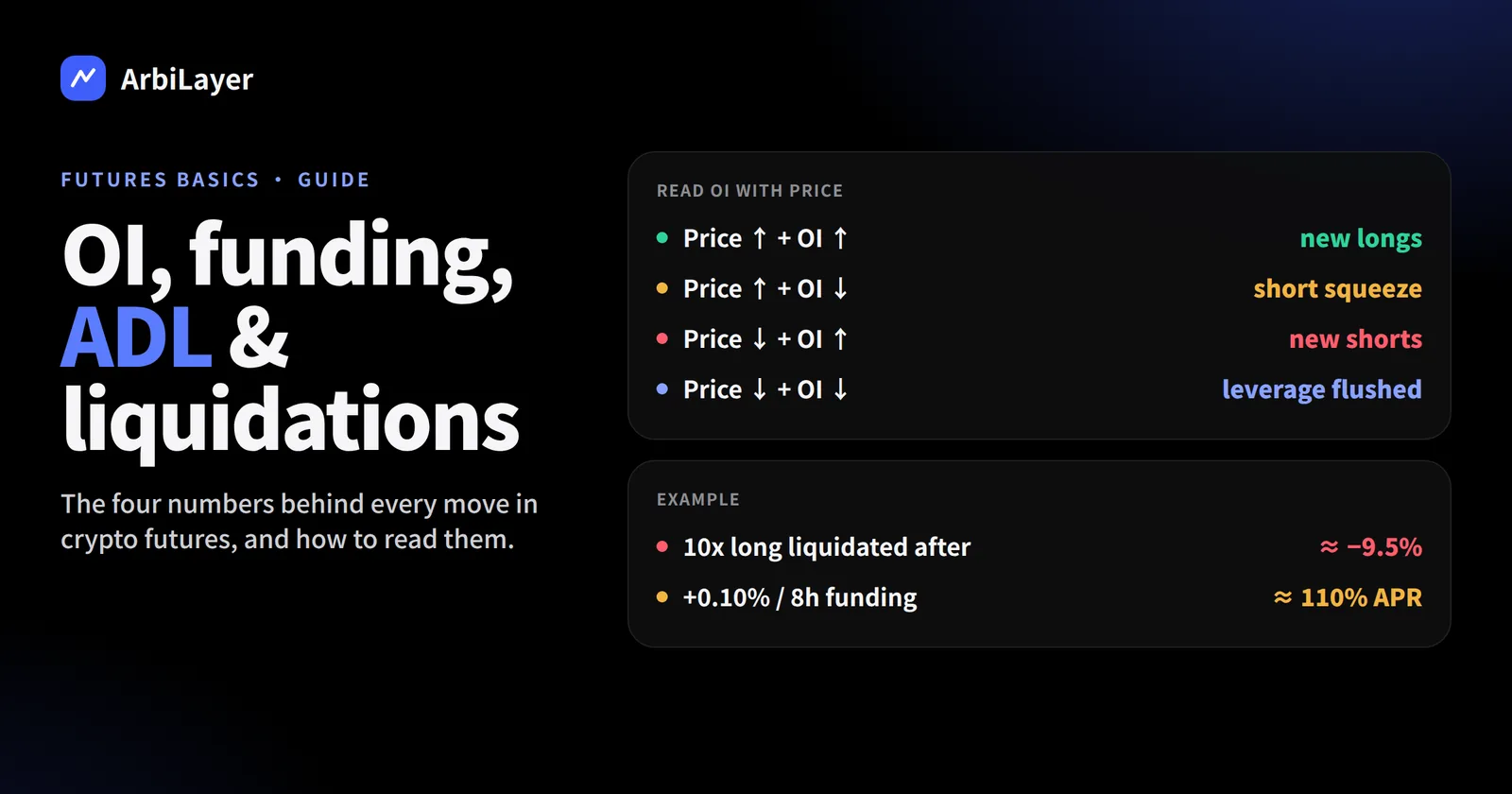 Open Interest, Funding Rates, ADL and Liquidations ExplainedWhat open interest tells you, how to read funding rates across exchanges, how liquidations and liquidation cascades work, and why auto-delev…
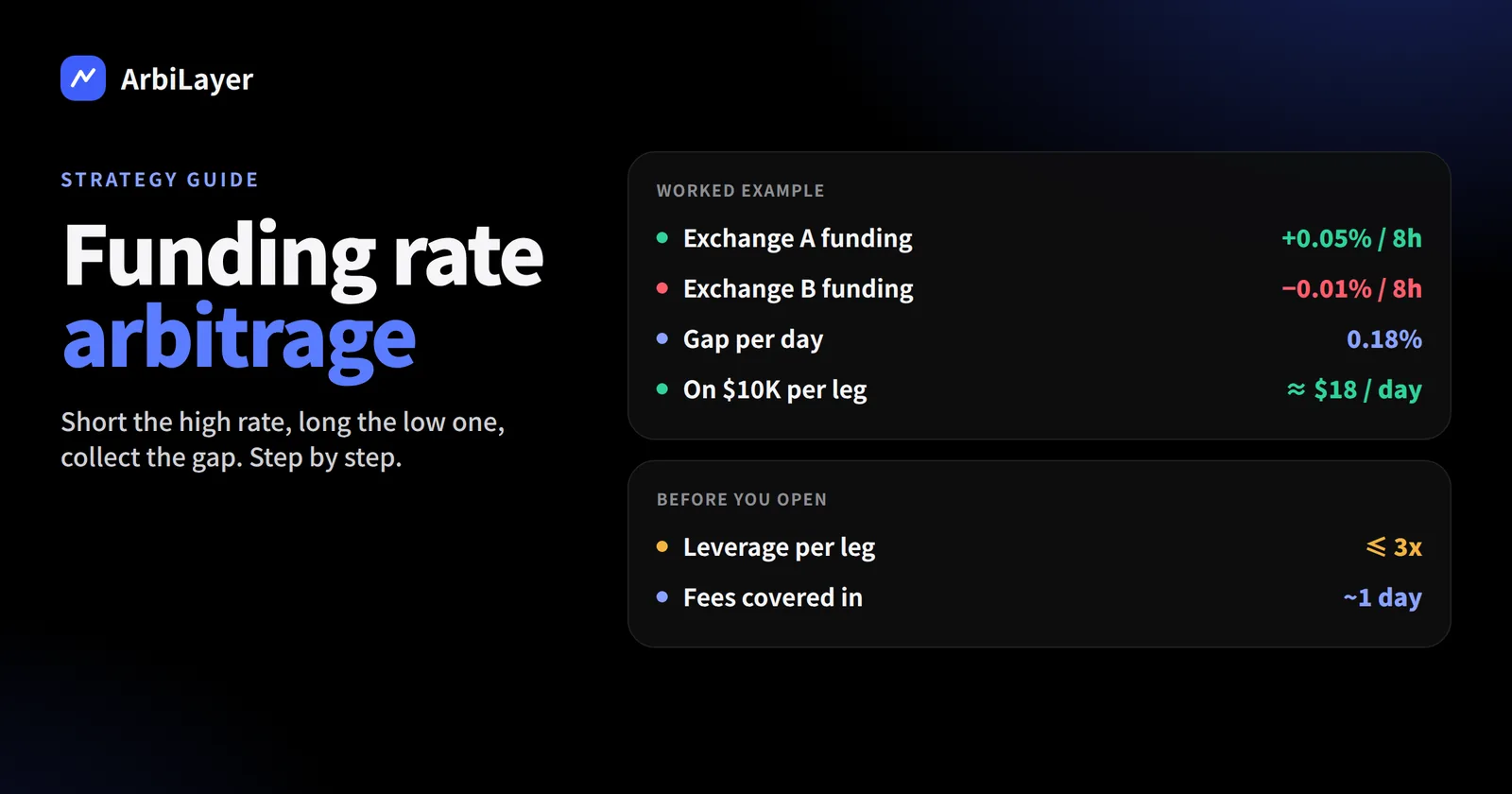 Funding Rate Arbitrage: A Step-by-Step GuideHow funding rate arbitrage works: short where funding is high, long where it is low, collect the gap. The maths, a worked example, how to fi…