
SCADA
SCADA Rank #6313Price chart
What is SCADA?
Overview
SCADA operates as a deflationary protocol within the PulseChain and Ethereum ecosystems. The project implements a systematic supply reduction mechanism through automated liquidity operations and token buybacks paired with burning. The protocol is designed to appeal to participants seeking exposure to deflationary token mechanics and decentralized finance strategies.
How it works
SCADA uses three interconnected smart contracts managing token economics, liquidity operations, and staking rewards. Buy and sell transactions incur a 1–2% tax, with collected fees automatically converted into liquidity on PulseX. A triggerable "Supply Block" mechanism removes liquidity, uses the proceeds to purchase SCADA from the market, and burns roughly 90% of acquired tokens while distributing the rest as staking incentives.
Token and supply
The token has a maximum supply of 320 million and a total supply of approximately 302 million. SCADA tokens are burned through the Supply Block mechanism, reducing circulating supply over time. The protocol also allocates a portion of purchased tokens as staking rewards to incentivize network participation.
Where to trade SCADA
3 exchanges · top 10
Live spot quotes from connected exchanges
SCADA funding rates
Live perpetual funding on every connected exchange. Positive = longs pay shorts.
Contracts & chains
Exact contract or mint per network — the identity layer used for DEX routing.
On-chain routes
Networks with a connected DEX routing adapter.
SCADA news
All newsGuides
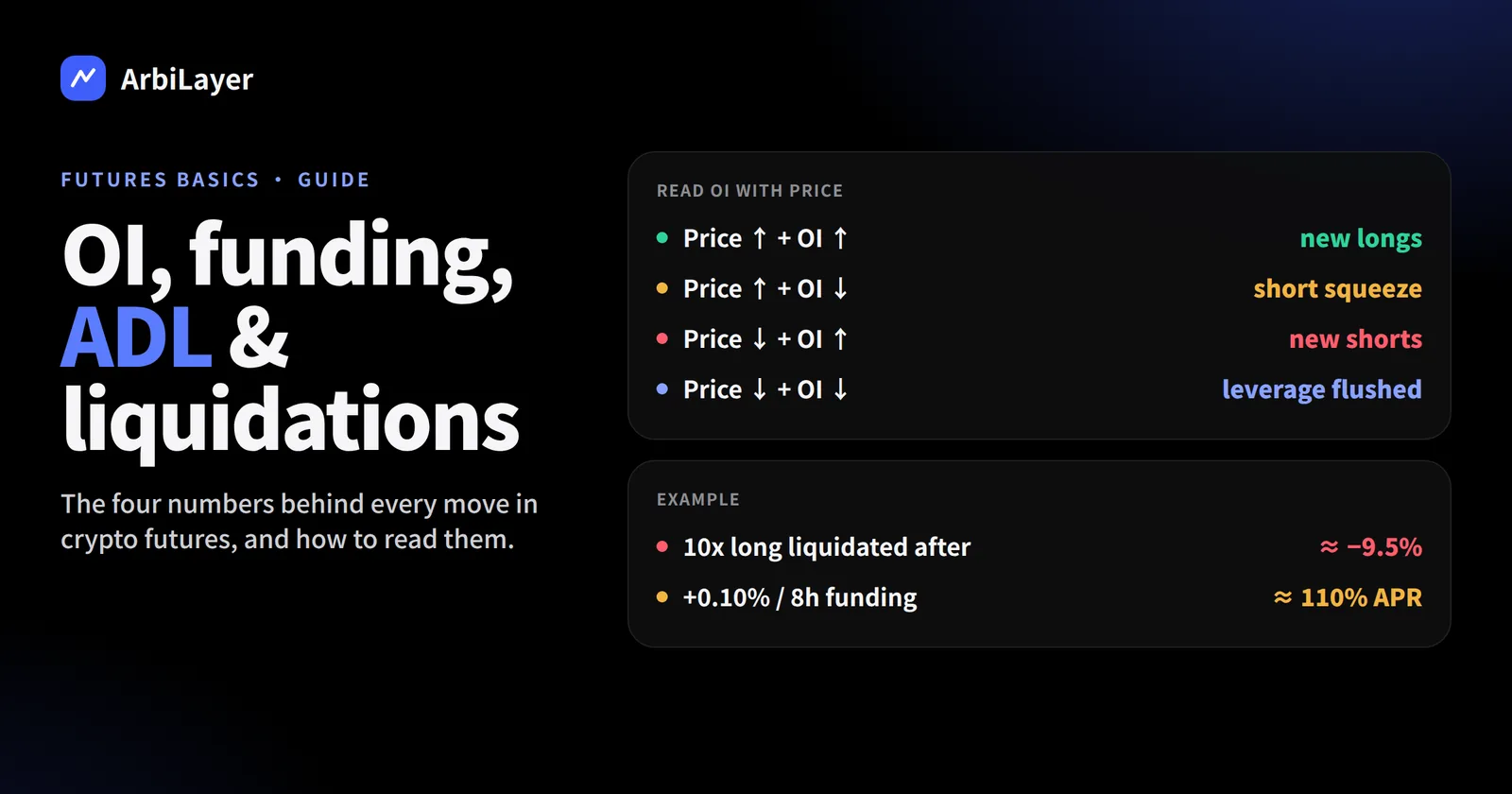 Open Interest, Funding Rates, ADL and Liquidations ExplainedWhat open interest tells you, how to read funding rates across exchanges, how liquidations and liquidation cascades work, and why auto-delev…
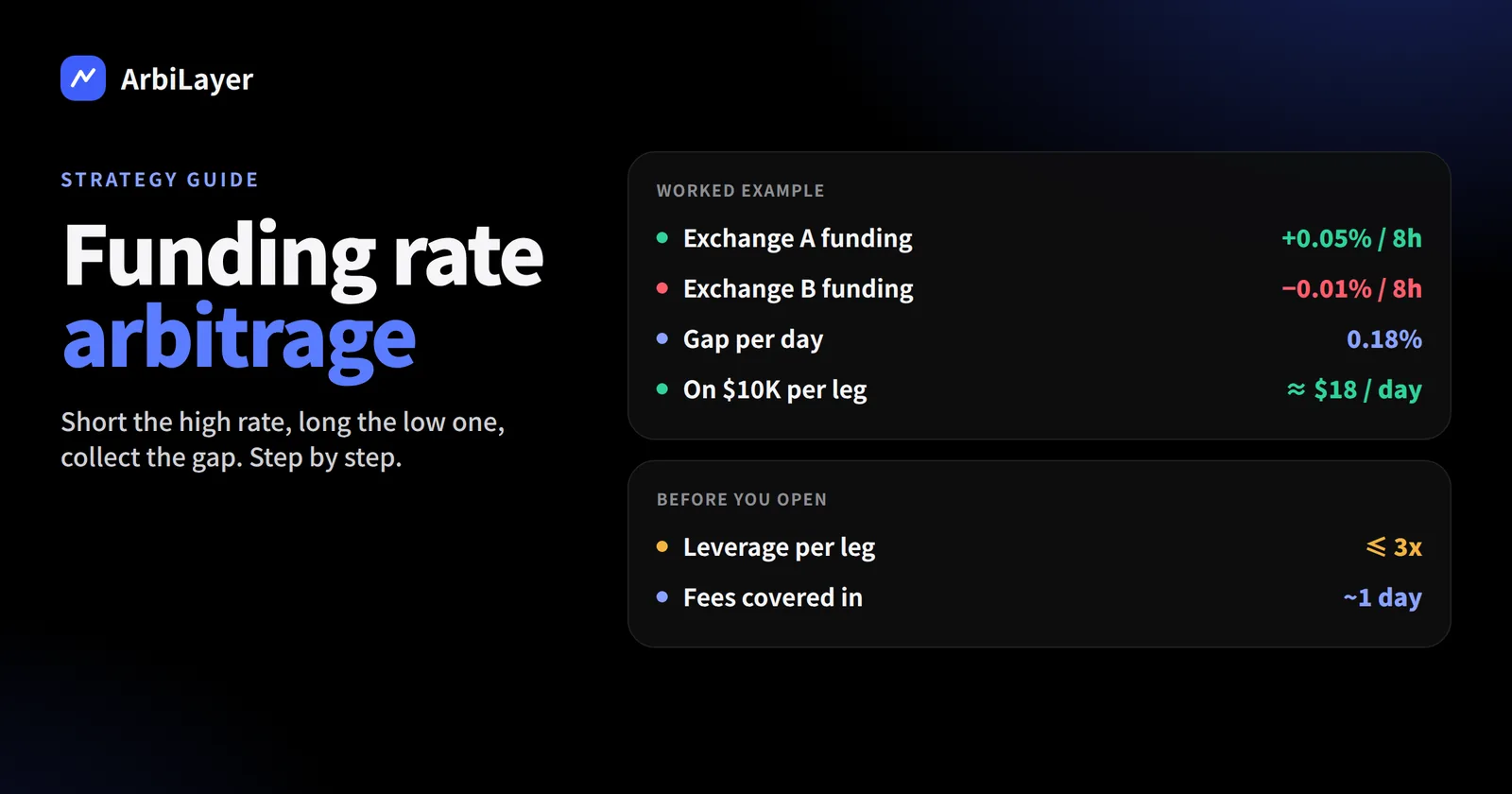 Funding Rate Arbitrage: A Step-by-Step GuideHow funding rate arbitrage works: short where funding is high, long where it is low, collect the gap. The maths, a worked example, how to fi…