Waves
WAVES Rank #877Price chart
What is Waves?
Network technology
Waves launched its original token supply in April 2016. The blockchain supports user-issued assets and applications written in its Ride smart contract language. Ride uses a constrained execution model intended to make contract behaviour and costs more predictable. The network's Waves-NG design allows transactions to be added through growing liquid blocks. Native WAVES is separate from the tokens that users issue on the network.
Leased proof of stake
Waves selects block producers through Leased Proof of Stake. A node's effective stake includes WAVES it owns and WAVES leased to it. Leasing allows a holder to support a node without transferring ownership of the coins. The holder can cancel a lease through an onchain transaction. Nodes can share part of their earnings with the holders leasing to them.
Issuance
The original issuance totalled one hundred million WAVES. Block reward issuance was introduced in October 2019, so that original amount is not a current hard cap. Block generators receive fees and their allocated share of rewards in WAVES. Nodes participate in the activation of protocol changes and monetary policy settings. WAVES uses eight decimal places, with its smallest unit called a WAVELET.
Where to trade WAVES
19 exchanges · top 10
Live spot quotes from connected exchanges
WAVES funding rates
Live perpetual funding on every connected exchange. Positive = longs pay shorts.
Contracts & chains
Exact contract or mint per network — the identity layer used for DEX routing.
On-chain routes
Networks with a connected DEX routing adapter.
Waves news
All newsGuides
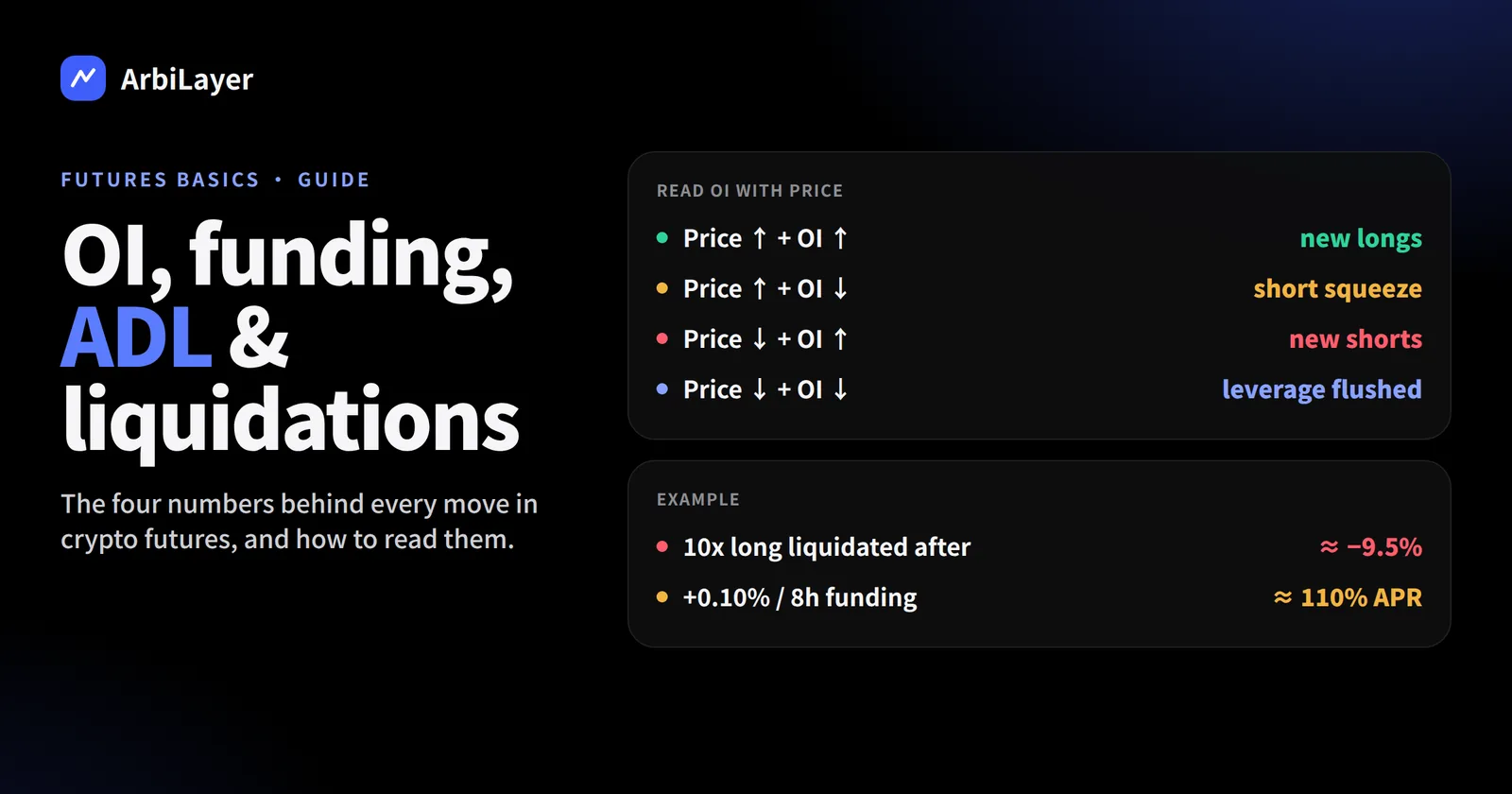 Open Interest, Funding Rates, ADL and Liquidations ExplainedWhat open interest tells you, how to read funding rates across exchanges, how liquidations and liquidation cascades work, and why auto-delev…
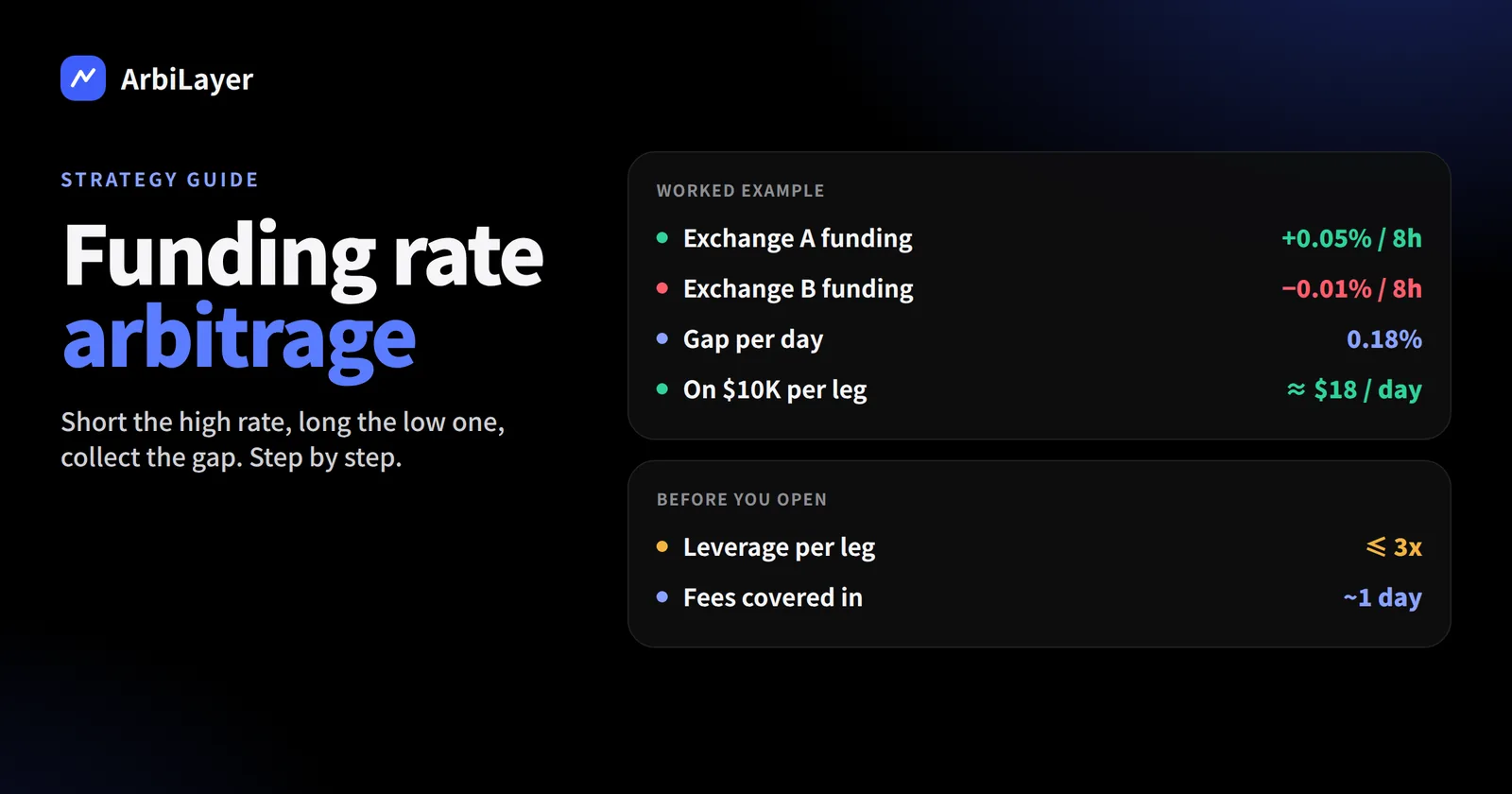 Funding Rate Arbitrage: A Step-by-Step GuideHow funding rate arbitrage works: short where funding is high, long where it is low, collect the gap. The maths, a worked example, how to fi…