ID arbitrage explained
Right now SPACE ID (ID) trades on 9 venues we scan: 8 perpetual markets, 6 spot markets and 0 DEX pools. The lowest ask is on Gate perp at $0.0209 and the highest bid on MEXC spot at $0.0209.
The widest ID perpetual spread is between Gate and Bybit: long ID on Gate at $0.0209 and short on Bybit at $0.0209 for 0.00% gross, or -0.16% after the 0.16% two-leg fee model. No transfer is needed: both positions stay on their exchanges until the prices converge. The funding difference on this pair is -0.730% per day, which the position pays while it is open.
For a spot–perpetual (cash-and-carry) trade, the best ID route is to buy spot on Bybit and short the perpetual on Bybit: -0.14% gross, -0.34% net, with -0.022% a day of funding on the short leg.
Spot–spot ID arbitrage (buy on Bybit, withdraw, deposit and sell on MEXC) shows 0.00% gross right now. It only works if withdrawals on the buying exchange and deposits on the selling exchange are open, so check the D/W dots before moving coins.
Small ID gaps usually disappear after fees, slippage and funding. Look at the Net column, the executable Depth and the spread history before trading: a gap that has been open for days is a different trade from a one-minute spike.
Related: ID funding rates · ID spread charts · SPACE ID price · arbitrage scanner for all coins.
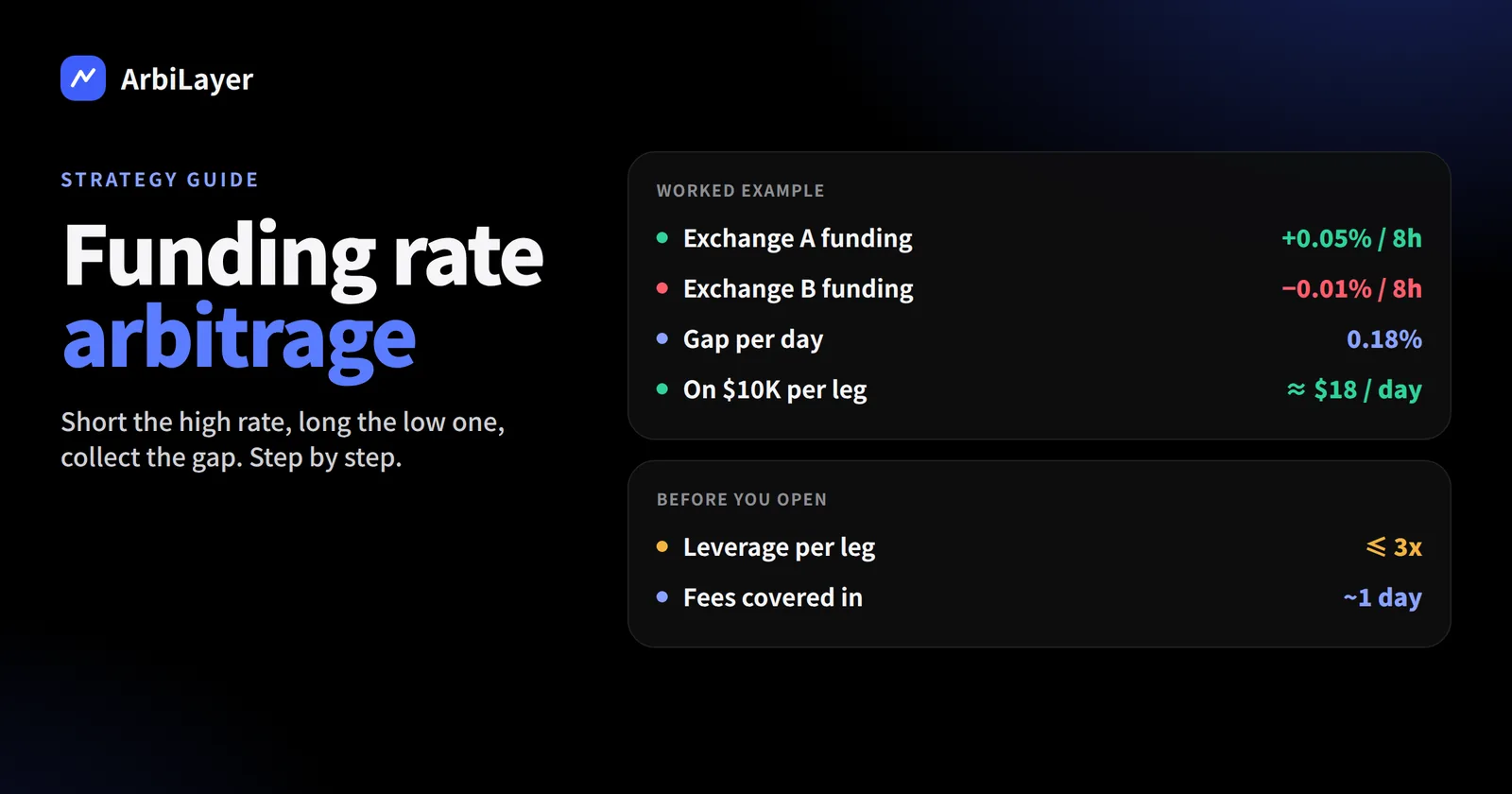 Funding Rate Arbitrage: A Step-by-Step GuideHow funding rate arbitrage works: short where funding is high, long where it is low, collect the gap. The maths, a worked example, how to fi…
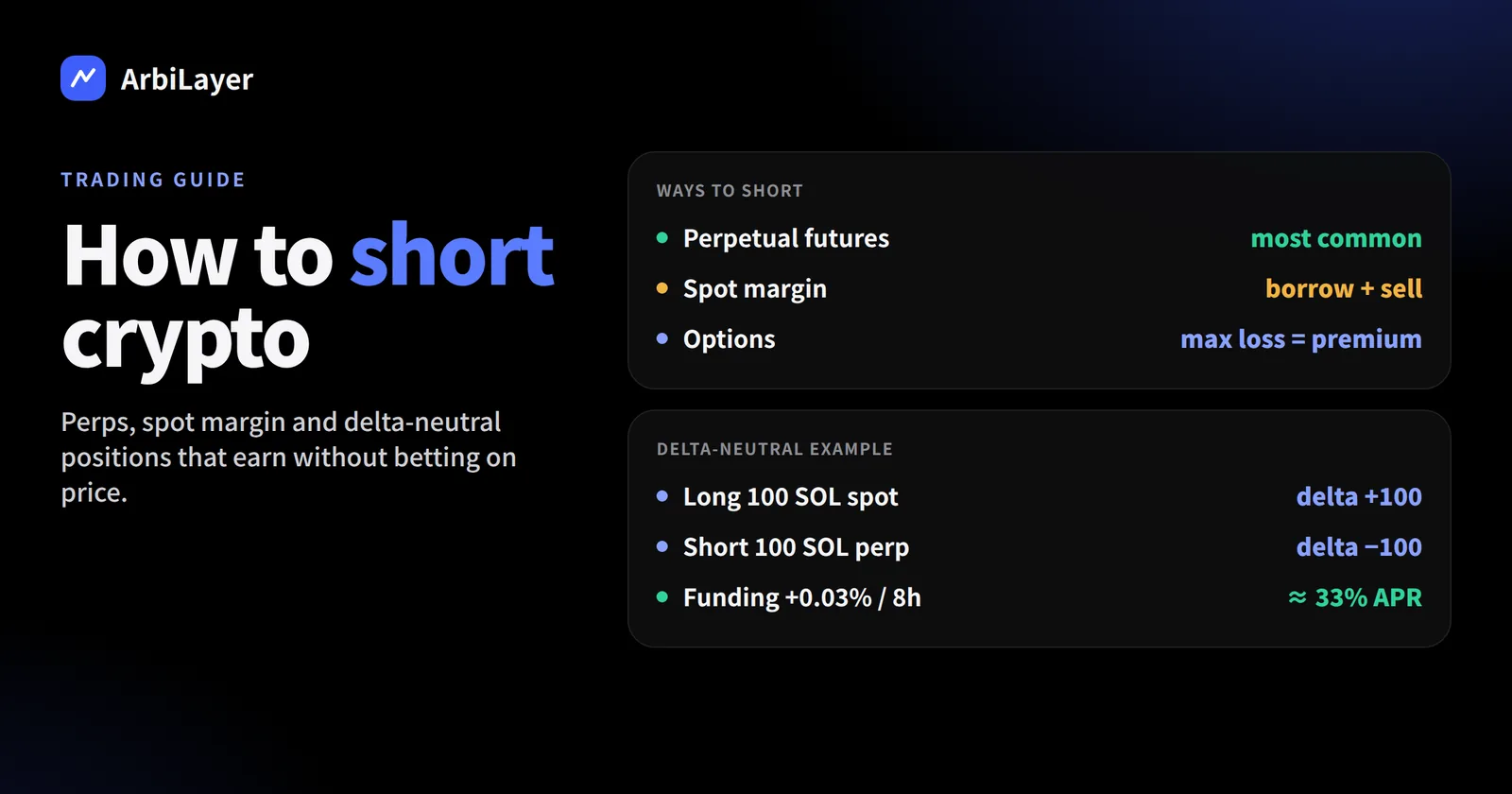 How to Short Crypto on Spot and Futures, and What Delta-Neutral MeansStep-by-step: shorting a coin with perpetual futures or spot margin, the costs (fees, funding, borrow interest), liquidation risk, and how d…
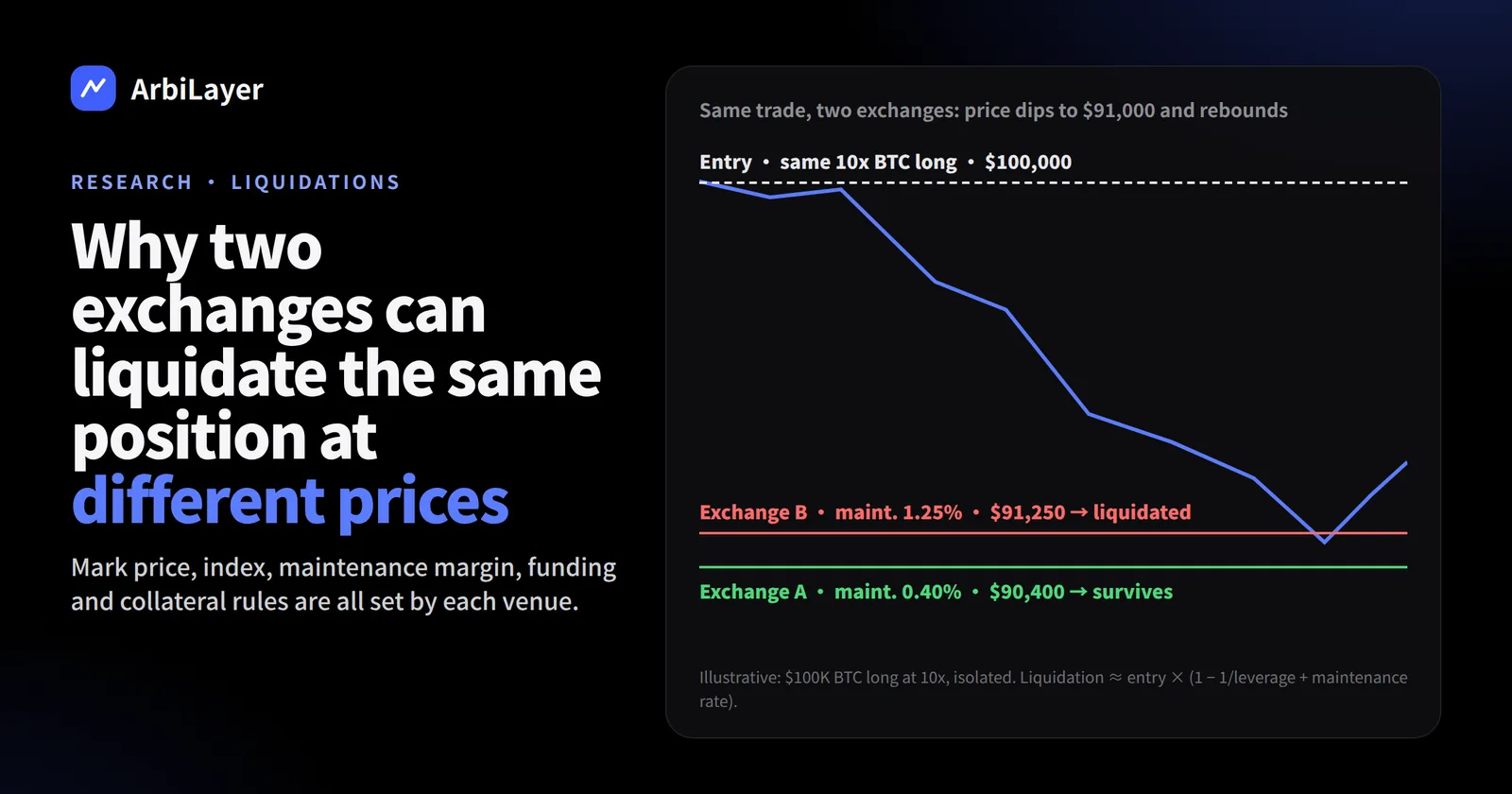 Why Two Exchanges Can Liquidate the Same Position at Different PricesMark price formulas, index constituents, maintenance margin tiers, funding and collateral rules are all set by each exchange — so the same l…